
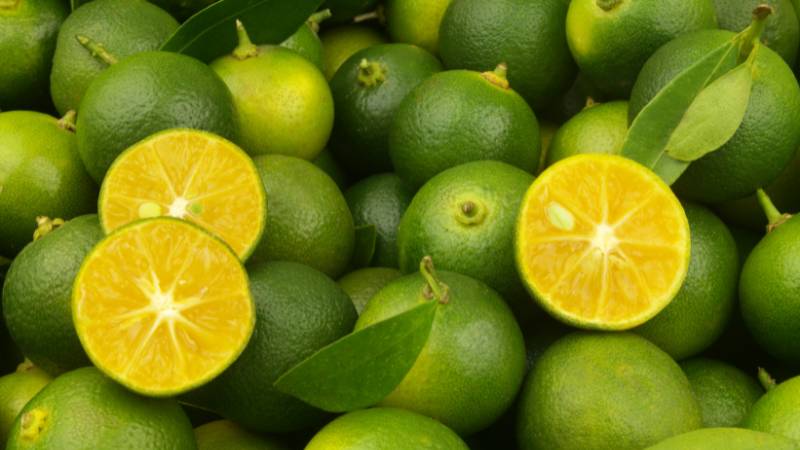
The calamansi. ARCHIVE
It may be small, but calamansi—also known locally as kalamansi or lemonsito—packs a punch far greater than its size. This humble citrus fruit, cherished in the Philippines and increasingly recognized worldwide, is more than just a kitchen staple. It’s a natural health booster, a unique flavor enhancer, and a symbol of home for millions of Filipinos abroad. Rich in Vitamin C and loaded with antioxidants, calamansi has long been used not just in food, but also in traditional remedies and even beauty routines. Its taste—refreshingly sour with a subtle hint of sweetness—sets it apart from lemons and limes, making it versatile enough for everything from dipping sauces to juices. In Filipino cuisine, calamansi is irreplaceable, whether it’s squeezed over pancit, stirred into sawsawan, or enjoyed as a chilled calamansi juice on a hot day. More than a fruit, calamansi is a story of health, heritage, and heart.Health benefits of calamansi
Calamansi is packed with nutrients. According to experts, here are its main health benefits: Rich in Vitamin C – boosts the immune system, helps fight colds, and supports skin health. Detoxifying properties – often used in warm water as a natural body cleanser. Aids digestion – helps with acidity, reduces bloating, and improves metabolism. Weight management – low in calories, often used in detox drinks and teas. Skin benefits – traditionally applied to lighten dark spots, acne scars, and even body odor. Anti-inflammatory and antioxidant – helps fight free radicals and reduce inflammation. Regulates blood sugar and cholesterol – early studies suggest it may help balance blood sugar and reduce “bad” cholesterol.Taste compared to lemon and lime
If lemon is zingy and lime is zesty, calamansi is refreshingly sour with a subtle sweetness—making it more versatile in drinks, marinades, and dipping sauces. Calamansi: Has a unique mix of tartness and slight sweetness, less sharp than lemon, and more aromatic than lime. It has a floral, tropical tang with a hint of bitterness in the peel. Lemon: Brighter, sharper sourness, with a clean citrus bite. Lime: Zesty, tangy, and slightly bitter, but not as sweet as calamansi.What makes calamansi special in Philippine cuisine
Calamansi isn’t just an ingredient—it’s a staple in Filipino life. What makes it special: Everyday condiment – Squeezed over pancit (noodles), grilled meats, and soups, much like how other cultures use lemon or lime. Signature Filipino dipping sauce – Mixed with soy sauce, fish sauce, or vinegar to create sawsawan (dips) for lumpia, fried fish, barbecue, and more. Drinks and desserts – Used in calamansi juice (a Filipino classic), iced teas, marmalades, pies, and even pastries. Home remedy – Families use it for coughs, sore throats, and even as a cleaning agent. Identity and nostalgia – For many Filipinos abroad, calamansi is a taste of home. It has a flavour that no lemon or lime can fully replicate, which is why it’s treasured in the diaspora. In short, calamansi is more than a fruit—it’s flavor, health booster and culture rolled into one tiny citrus. PIA/Expat MediaFor all the latest news from the UAE and the world, follow us on Facebook, Twitter and Instagram and subscribe to our YouTube page












Comments
Leave a Comment