
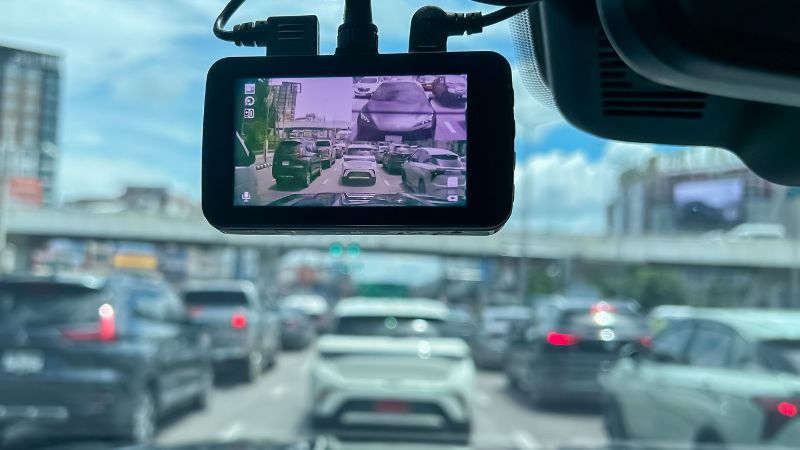
Picture for illustrative purposes only. ARCHIVE
With dash cams gaining popularity among motorists for their ability to record road incidents and provide vital footage during accidents, many UAE drivers are considering installing these devices. But before you hit record, it’s important to understand the legal implications of using dash cams in the country. A dash cam, short for “dashboard camera”, typically records the view from the front of your vehicle. Some more advanced models can capture footage from the rear and even the interior of the car. While these cameras can be useful in providing evidence during accidents or for videography enthusiasts who want to document road trips, UAE residents should be aware of strict privacy laws before using one. According to UAE law, dash cams are not illegal. Police authorities, including Sharjah Police’s Traffic and Patrol Department, have affirmed that dash cams can be helpful in cases where motorists intentionally cause accidents. However, the footage collected from dash cams must be handled carefully, especially when it comes to privacy rights. The UAE’s cybercrime laws, penal code, and copyright laws all emphasize the importance of not violating a person’s privacy. Posting dash cam footage online that features individuals or vehicles without their consent could result in hefty fines or even jail time. The footage should be used solely for reporting accidents or incidents to authorities through official channels such as the “We Are All Police: service or the Al Ameen platform. Motorists in the UAE can legally install dash cams but should exercise caution when sharing any recorded material. It’s advisable to use dash cam footage responsibly and only submit it to the appropriate authorities in case of an accident or road incident. ICA/Expat Media ALSO READ: 3 ways you could be violating people's privacyFor all the latest news from the UAE and the world, follow us on Facebook, Twitter and Instagram and subscribe to our YouTube page












Comments
Leave a Comment