DUBAI - The Dubai Sustainable Tourism (DST) has issued guidelines for visitors to Dubai's nature reserves and deserts, urging the public to be "more sensitive" to their environment.
"While it is encouraged to personally explore these natural environments, it is also crucial to remember the stress that human activity can put on these areas," the authority said.
The DST said that uncontrolled human activity in natural habitats "can lead to greater pollution, soil erosion, loss of natural habitats and even the total eradication of endangered species".
Here are 9 guidelines for tourists that the DST has issued:
1. Do not disturb wildlife in its natural environment
When you encounter animals in the wild, blend into their world. Do not feed them, do not taunt them, and most importantly, do not try to take them away from their natural habitats.
2. Reduce noise disturbances that might frighten wildlife species, such as speaking too loudly or playing loud music.
3. Avoid driving outside of designated tracks, as this destroys perennial plants that might need years to develop in arid environments.
4. Be mindful of destroying burrows and shelters of small animals like terrestrial reptiles, small mammals and insects.
5. Start making sustainable choices when you visit reserves, such as using fewer single-use plastic products in designated areas, instead carrying water in re-fillable bottles.
6. Keep your boots clean. Seeds, insect eggs, and other living material can hitchhike on your boots and shoes as you explore the area. You may inadvertently carry these plants and critters to new locations, where they might become invasive species.
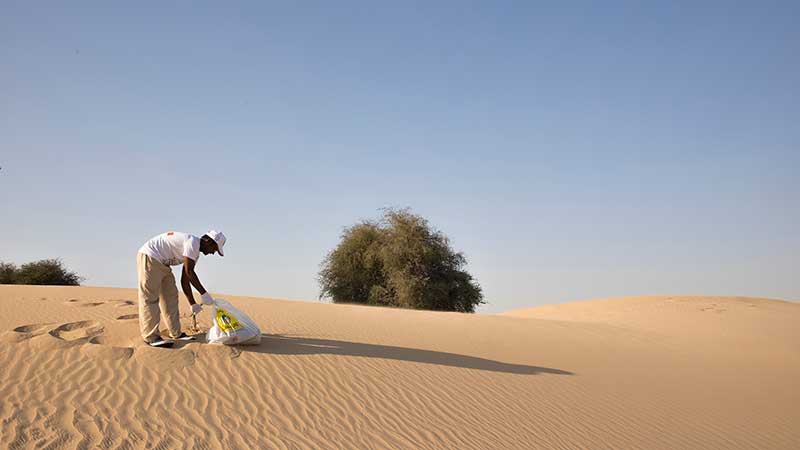
7. Be mindful of littering, and carry a litter bag or portable ash container
If you’re unable to locate a designated bin, keep trash and recyclables in a bag or backpack until you can discard it properly.
8. Do not overfill trash containers and safely close their lids to prevent animals from digging through them
9. Commit to learning more about the risks to wildlife and their habitats by reducing your carbon footprint to keep forests, wildlife and oceans healthy and intact.JTNDc2NyaXB0JTIwc3JjJTNEJTIyJTJGJTJGcGFnZWFkMi5nb29nbGVzeW5kaWNhdGlvbi5jb20lMkZwYWdlYWQlMkZqcyUyRmFkc2J5Z29vZ2xlLmpzJTIyJTIwYXN5bmMlM0QlMjIlMjIlM0UlM0MlMkZzY3JpcHQlM0UlMEElMjAlM0MlMjEtLSUyMGluLWFydGljbGUlMjBhZCUyMC0tJTNFJTBBJTIwJTNDaW5zJTIwY2xhc3MlM0QlMjJhZHNieWdvb2dsZSUyMiUyMHN0eWxlJTNEJTIyZGlzcGxheSUzQSUyMGJsb2NrJTNCJTIyJTIwZGF0YS1hZC1jbGllbnQlM0QlMjJjYS1wdWItNTAwNjI0MTU4MzU4MTg0OSUyMiUyMGRhdGEtYWQtc2xvdCUzRCUyMjg1MjYwOTM2MTElMjIlMjBkYXRhLWFkLWZvcm1hdCUzRCUyMmF1dG8lMjIlM0UlM0MlMkZpbnMlM0UlMEElM0NzY3JpcHQlM0UlMkYlMkYlMjAlM0MlMjElNUJDREFUQSU1QiUwQSUyOGFkc2J5Z29vZ2xlJTIwJTNEJTIwd2luZG93LmFkc2J5Z29vZ2xlJTIwJTdDJTdDJTIwJTVCJTVEJTI5LnB1c2glMjglN0IlN0QlMjklM0IlMEElMkYlMkYlMjAlNUQlNUQlM0UlM0MlMkZzY3JpcHQlM0UlMEE=
We use cookies to enhance your browsing experience, serve personalized content, and
analyze our traffic. By clicking "Accept All", you consent to our use of cookies.
Cookie Settings
Always Active
These cookies are essential for the website to function properly. They cannot be disabled.
Optional
These cookies help us understand how visitors interact with our website by collecting and
reporting information anonymously.
Optional
These cookies enable enhanced functionality and personalization, such as remembering your
preferences.
Optional
These cookies are used to track visitors across websites to display relevant and engaging
advertisements.













Comments
Leave a Comment