
The Green Corridor via Oman. ARCHIVE
When key regional shipping lanes face disruption, Dubai and Sharjah move fast. That is exactly what happened after regional developments began affecting traditional cargo passage through the Strait of Hormuz, one of the world’s busiest maritime chokepoints. Rather than allowing delays to disrupt supermarket shelves, business supply chains and personal cargo deliveries, the UAE rapidly activated alternative trade routes through neighbouring Oman, keeping goods moving into Dubai, Sharjah and the rest of the emirates. The result is an expanding logistics network now quietly powering everything from food imports and retail goods to the balikbayan boxes sent home by Overseas Filipino Workers (OFWs). Cargo firms told Expat Media that the Oman route has become a critical alternative to ensure shipments continue reaching families in the Philippines despite regional shipping uncertainty. “We shifted quickly to the Oman route as part of contingency measures,” operators at MSM Cargo in Dubai told Expat Media. “It’s costing us more, but the priority is making sure care boxes still reach OFW families on time. That is what matters most to our customers.” The strategy reflects a larger national logistics response led by Dubai Customs and Sharjah authorities to ensure trade continuity under pressure.Dubai’s Green Corridor: launched in just 72 hours
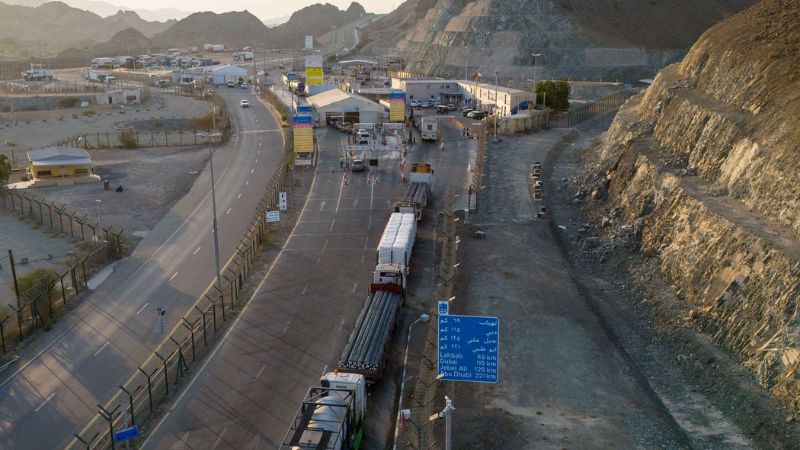
Dubai Customs activated its Green Corridor initiative barely 72 hours after disruptions began affecting major shipping routes. Developed in partnership with Oman Customs, the system reroutes cargo arriving through Omani ports and transports it overland to Dubai via the Hatta Border Crossing, where customs clearance is accelerated through digital pre-processing and advanced monitoring systems. The results have been dramatic. Between March and April 2026, customs declarations processed through the corridor surged from 12,000 to nearly 100,000, while the total cargo value jumped from Dh1 billion to more than Dh8 billion. According to Dubai Customs Director-General Dr. Abdulla Busenad, the corridor reflects Dubai’s ability to adapt quickly during exceptional circumstances. “The Green Corridor reflects Dubai’s proactive and flexible approach to managing regional and international developments through an integrated framework that supports economic sustainability, strengthens the business community, and ensures uninterrupted trade flows under all circumstances,” he said. He added: “In line with Dubai’s vision, Dubai Customs worked closely with relevant entities to develop an advanced operational model that enhances efficiency, safeguards trade continuity, and reinforces business confidence in our ability to support companies under all circumstances.”How it works
Instead of ships relying solely on direct Gulf maritime routes, cargo vessels dock at strategic Omani ports including Sohar, Duqm and Salalah. Containers are then loaded onto sealed trucks operating under full customs supervision and transported overland into the UAE. Digital integration allows customs authorities to process shipment manifests, bills of lading and inspection clearances before cargo even reaches the border. This means faster customs release, reduced port congestion, lower operational delays, more flexible routing options and better supply chain resilience. Dubai also extended cargo transit periods from 30 days to 90 days, giving businesses greater flexibility to reorganise logistics during disruptions. Shipments heading for Jebel Ali Port, Jebel Ali Free Zone, and Dubai’s domestic market can move directly inland without waiting for standard lengthy processing at intermediary ports.Sharjah builds parallel route through Oman
Sharjah has launched its own integrated logistics corridor in coordination with Oman Customs. The route links Omani ports with Sharjah via Khatmat Malaha Border Crossing in Kalba and Al Madam Border Crossing, creating an efficient sea-land trade connection. The first live shipments officially moved on May 14 from Port Khalid to Sohar Port, marking full operational readiness. Sharjah authorities said the corridor strengthens regional logistics flexibility rather than replacing traditional sea routes. It also gives local manufacturers, importers and free zone businesses more options to keep cargo moving regardless of changing maritime conditions. A joint UAE-Oman customs working team now oversees coordination, real-time data exchange and customs supervision to maintain international standards for safety and efficiency.What this means for consumers
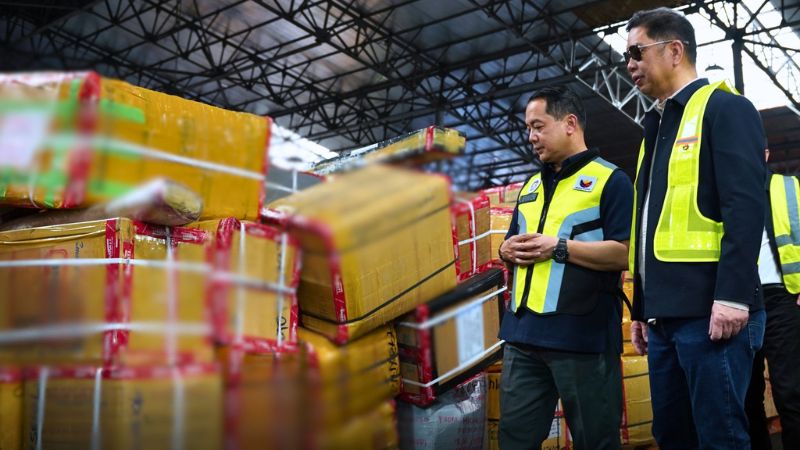
For residents across Dubai, Sharjah and the wider UAE, the biggest concern is usually simple: Will products still arrive? For now, the answer is yes. The corridor system is specifically designed to prevent shortages, reduce delivery interruptions and stabilise prices by ensuring retail and commercial goods continue entering UAE markets. That includes supermarket imports, electronics and retail products, business inventory, industrial supplies, e-commerce shipments and Balikbayan boxes and personal cargo. Cargo operators said deliveries may occasionally experience minor schedule adjustments depending on cross-border volumes, but shipments are continuing. For Filipino families waiting for care packages from loved ones abroad, the alternative route offers reassurance. And thanks to the UAE’s rapidly activated cargo corridors through Oman, those boxes are still finding their way home. CAM/ICA/Expat MediaFor all the latest news from the UAE and the world, follow us on Facebook, Twitter and Instagram and subscribe to our YouTube page










Comments
Leave a Comment