
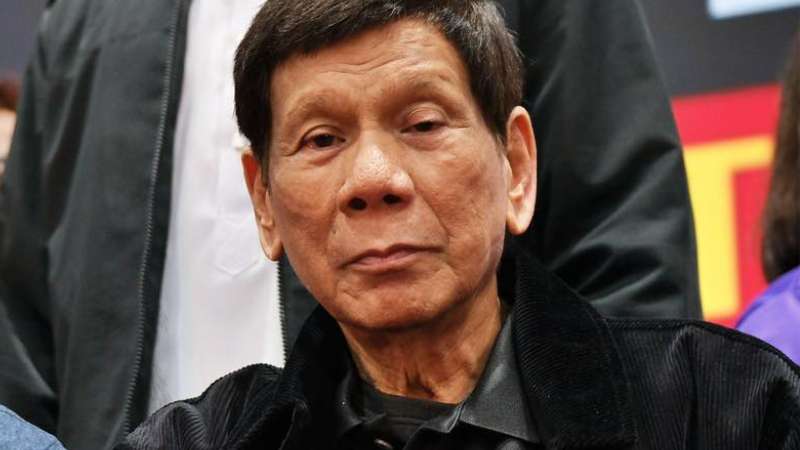
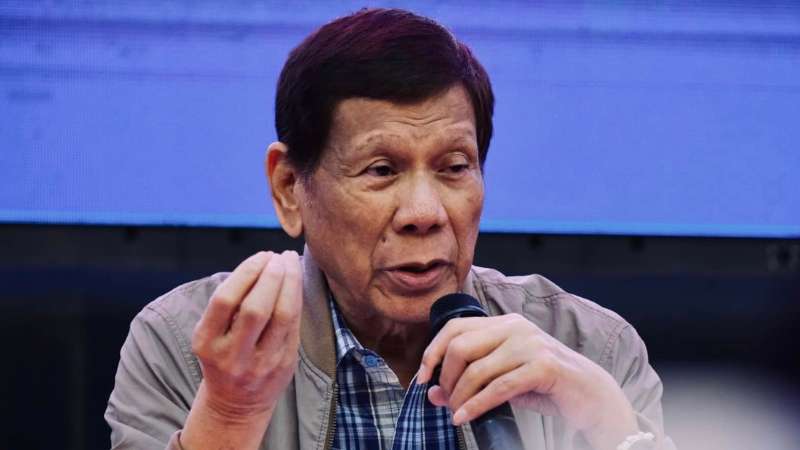
Former Philippine president Rodrigo Duterte. ARCHIVE
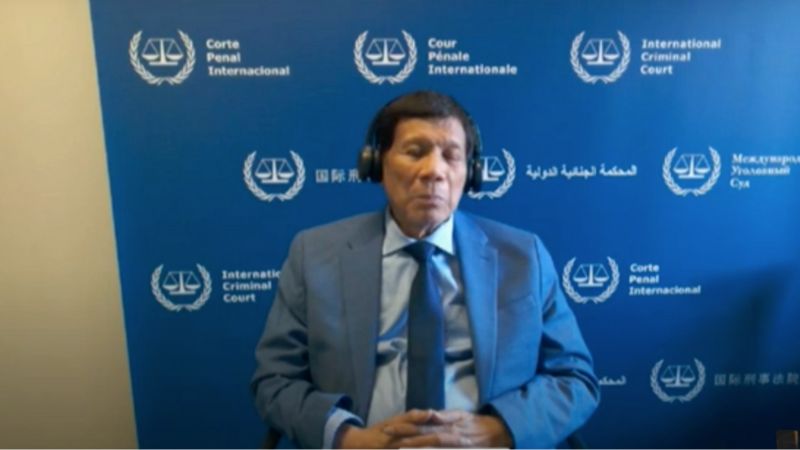
Former Philippine President Rodrigo Duterte’s legal team has formally asked the International Criminal Court (ICC) to drop the ongoing case against him, arguing that the court no longer holds jurisdiction after the Philippines’ withdrawal from the Rome Statute in 2019. The request, filed on Friday (May 2) by defense lawyers Nicholas Kaufman and Dov Jacobs, urges ICC Pre-Trial Chamber III to rule on the motion ahead of the confirmation of charges hearing scheduled for September 23. “The Defense requests the Pre-Trial Chamber find that there is no legal basis for the continuation of the proceedings against Mr. Rodrigo Roa Duterte and to order his immediate and unconditional release,” the submission stated. At the heart of their argument is the interpretation of Article 12 of the Rome Statute, which they say limits the court's authority to actions occurring while a country is a party to the treaty. While the Philippines was a party from 2011 to 2019, the ICC formally opened its investigation into Duterte’s controversial anti-drug campaign in 2021—two years after the withdrawal took effect. “The simple fact is that the Republic of the Philippines was not a party to the Rome Statute in 2021,” the defense emphasized. The legal team also cited two dissenting opinions from ICC judges in 2023 who questioned the continuation of jurisdiction once a member state exits the treaty. According to the defense, these precedents support the argument that the case against Duterte should no longer proceed. However, legal experts disagree. Professor Leila Sadat, a former ICC adviser, has argued in past interviews that the court retains jurisdiction over crimes committed while the country was still a member—particularly if initial proceedings had already begun. “Unless there’s a specific statutory bar, the rule is the court’s jurisdiction remains attached,” Sadat said in an earlier media interview. The Philippine government reiterated its policy of non-cooperation with the ICC. Press Undersecretary Claire Castro responded to the latest legal development, saying, “That’s part of due process, let them be.” The case against Duterte centers on alleged crimes against humanity during his administration’s war on drugs, a campaign that human rights groups claim led to thousands of extrajudicial killings. His indictment and earlier arrest triggered global attention and polarized reactions within the Philippines. While international rights organizations praised the ICC's move as a bold step toward accountability, Duterte's supporters—especially in his hometown Davao City and throughout the Visayas and Mindanao regions—viewed the action as a violation of national sovereignty.Marcos' approval plunges amid nationalist backlash over Duterte extradition
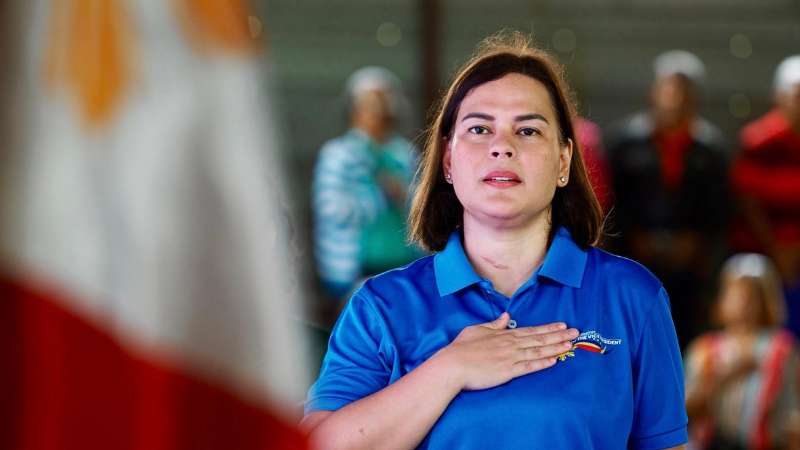
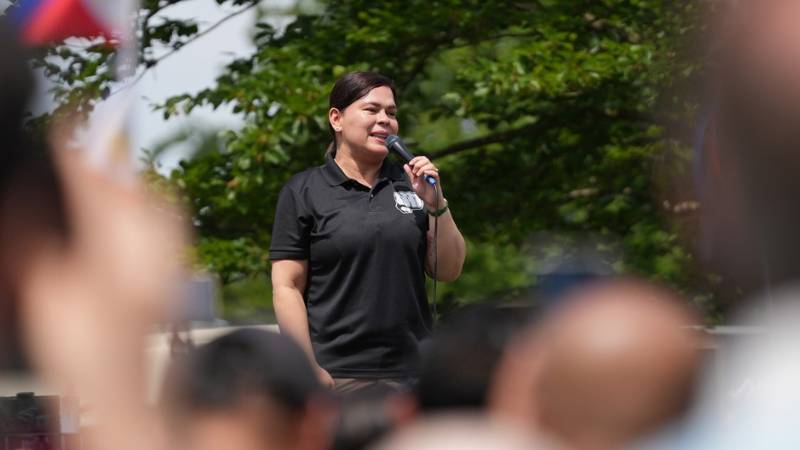
The ICC case has also sent ripples across the political landscape in the Philippines, where midterm elections are scheduled for May 12. President Ferdinand "Bongbong" Marcos Jr., who once appeared politically untouchable, is facing a sharp drop in public approval. According to the latest Pulse Asia Research poll, his rating fell from 42 percent in February to just 25 percent in March—marking one of the steepest declines of his presidency. In contrast, Vice President Sara Duterte, daughter of the embattled former president, has seen her approval rating rise from 52 percent to 59 percent in the same period, signaling a groundswell of support from Filipinos angered by Duterte’s extradition to The Hague. The event has reignited nationalist sentiments, especially among Duterte loyalists in Mindanao and the Visayas, many of whom view his detention by an international court as an affront to Philippine sovereignty. ICA/Expat Media
For all the latest news from the UAE and the world, follow us on Facebook, Twitter and Instagram and subscribe to our YouTube page







Comments
Leave a Comment