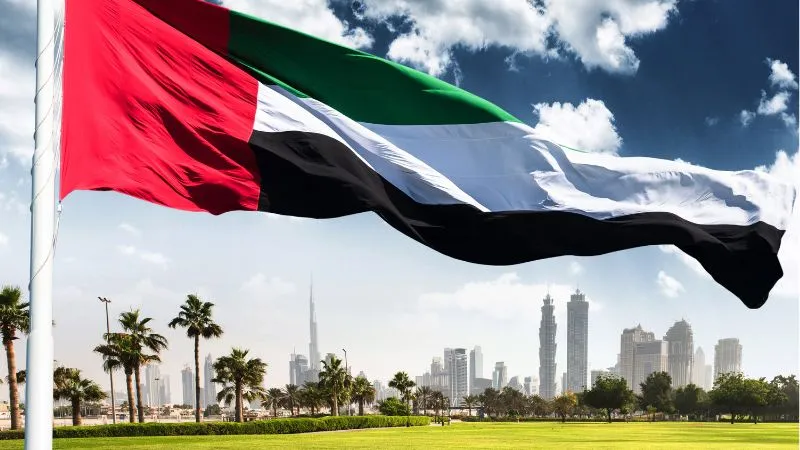
UAE’s experience in tackling e-waste highlighted on global stage
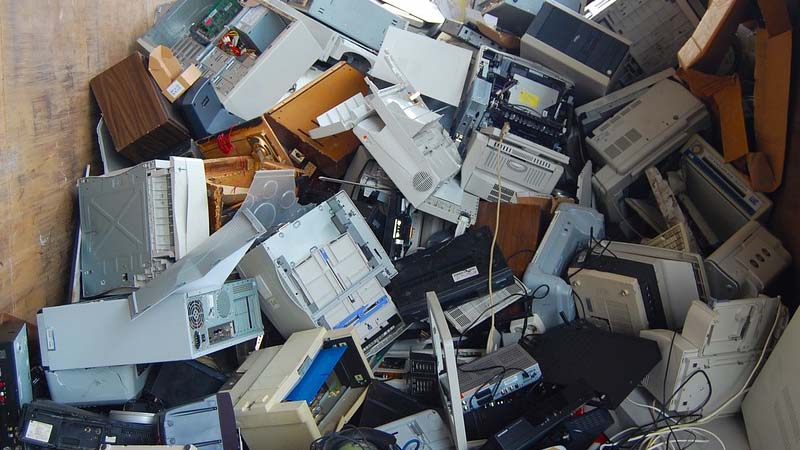
DAVOS, SWITZERLAND - Each year, nearly 50 million tons of electronic and electrical waste are produced globally, but only 20 percent is formally recycled, a UAE official said.
"If e-waste continues unabated, its volume is projected to amount to 120 million tons annually by 2050,” said Dr. Thani Bin Ahmed Al Zeyoudi, Minister of Climate Change and Environment, on the sidelines of the World Economic Forum in Davos, Switzerland.
Al Zeyoudi was speaking in a panel discussion on "Closing the Loop on Electronics", which tackled the issue of electronic waste and provided recommendations on solutions, from product design to reuse.
The UAE official warned that e-waste is a global problem that needs to be urgently addressed.
“Our fast-moving digital culture, coupled with increasing wealth and consumer hunger for the latest gadgets, means that we are creating a global problem of electronic waste that too few governments are addressing. We need to see a bigger movement and awareness on this issue,” he said.
Reflecting on the UAE’s experience in tackling e-waste, Al Zeyoudi said: “The UAE is fully aware of the challenge e-waste poses. Given the relatively high per capita income in the country, our people have demonstrated a high consumption rate."
"Unfortunately, the UAE is one of the highest producers of e-waste in the region. But we are also the most active in creating proper e-waste disposal procedures," he said.
According to the official, the UAE established the Integrated Waste Management system aimed at diverting 75 percent of all municipal solid waste away from landfills by 2021.
In May 2018, the UAE also issued a federal law on integrated waste management for hazardous and non-hazardous waste.
"Furthermore, we are developing several regulations targeting the management of different streams of waste and their methods of disposal,” he said.
He added: “In partnership with the private sector, the Ministry of Climate Change and Environment has been supporting the establishment of one of the largest e-waste treatment facilities in the region. The facility will be commissioned by the second quarter of this year and will have a processing capacity of 39,000 tons per year.”JTNDc2NyaXB0JTIwc3JjJTNEJTIyJTJGJTJGcGFnZWFkMi5nb29nbGVzeW5kaWNhdGlvbi5jb20lMkZwYWdlYWQlMkZqcyUyRmFkc2J5Z29vZ2xlLmpzJTIyJTIwYXN5bmMlM0QlMjIlMjIlM0UlM0MlMkZzY3JpcHQlM0UlMEElMjAlM0MlMjEtLSUyMGluLWFydGljbGUlMjBhZCUyMC0tJTNFJTBBJTIwJTNDaW5zJTIwY2xhc3MlM0QlMjJhZHNieWdvb2dsZSUyMiUyMHN0eWxlJTNEJTIyZGlzcGxheSUzQSUyMGJsb2NrJTNCJTIyJTIwZGF0YS1hZC1jbGllbnQlM0QlMjJjYS1wdWItNTAwNjI0MTU4MzU4MTg0OSUyMiUyMGRhdGEtYWQtc2xvdCUzRCUyMjg1MjYwOTM2MTElMjIlMjBkYXRhLWFkLWZvcm1hdCUzRCUyMmF1dG8lMjIlM0UlM0MlMkZpbnMlM0UlMEElM0NzY3JpcHQlM0UlMkYlMkYlMjAlM0MlMjElNUJDREFUQSU1QiUwQSUyOGFkc2J5Z29vZ2xlJTIwJTNEJTIwd2luZG93LmFkc2J5Z29vZ2xlJTIwJTdDJTdDJTIwJTVCJTVEJTI5LnB1c2glMjglN0IlN0QlMjklM0IlMEElMkYlMkYlMjAlNUQlNUQlM0UlM0MlMkZzY3JpcHQlM0UlMEE=
We use cookies to enhance your browsing experience, serve personalized content, and
analyze our traffic. By clicking "Accept All", you consent to our use of cookies.
Cookie Settings
Always Active
These cookies are essential for the website to function properly. They cannot be disabled.
Optional
These cookies help us understand how visitors interact with our website by collecting and
reporting information anonymously.
Optional
These cookies enable enhanced functionality and personalization, such as remembering your
preferences.
Optional
These cookies are used to track visitors across websites to display relevant and engaging
advertisements.









Comments
Leave a Comment