
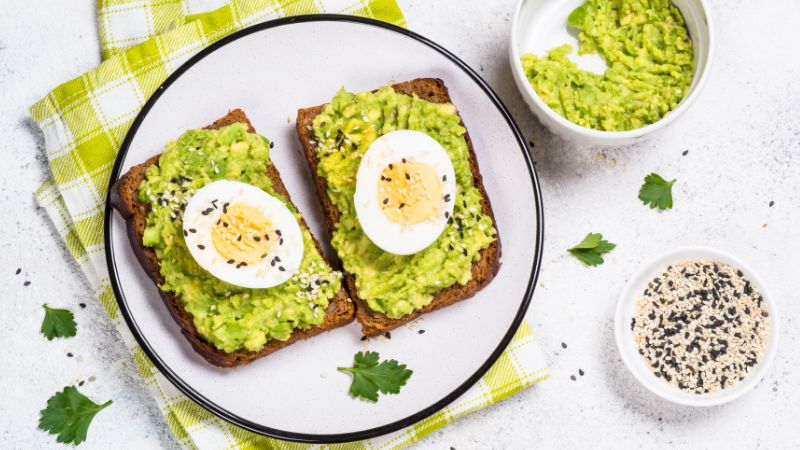
Picture for illustrative purposes only. ARCHIVE
As demand for weight-loss drugs such as Ozempic continues to soar, nutrition experts say you may already have appetite-supporting options in your kitchen. Mark McShane, Food Safety & Hygiene Consultant at UK-based Food Hygiene Certificate, points to recent research showing how certain foods may stimulate GLP-1, the so-called “fullness hormone” targeted by prescription weight-loss injections. “No single food will replicate a prescription medication, but smart dietary choices can nudge your appetite hormones in the right direction,” McShane says. “We’re talking about small, sustainable changes, things you can pick up from any supermarket.” Top foods that may help support satiety: • Oats and barley: Rich in beta-glucan, a soluble fibre that slows digestion and helps stabilise blood sugar. • Chia seeds: Expand in the stomach and release energy gradually, helping you feel fuller for longer. • Avocado and olive oil: Contain healthy fats that support satiety and may boost GLP-1 levels. • Greek yogurt: Combines high protein content with probiotics for better appetite control and gut health. • Legumes and lentils: Packed with fibre and protein to promote stable energy and reduced cravings. While some social media trends, such as the TikTok-famous “Oatzempic” drink—a blend of oats, water and lime juice—have gone viral, McShane advises caution. “Some trends are harmless, but others oversimplify nutrition or encourage extreme restriction,” he says. “Aim for balanced meals and avoid relying on a single food or drink for results.” The bottom line? While these foods can help manage appetite naturally, they work best as part of a balanced, long-term eating plan—not a quick fix. ICA/Expat MediaFor all the latest news from the UAE and the world, follow us on Facebook, Twitter and Instagram and subscribe to our YouTube page












Comments
Leave a Comment