
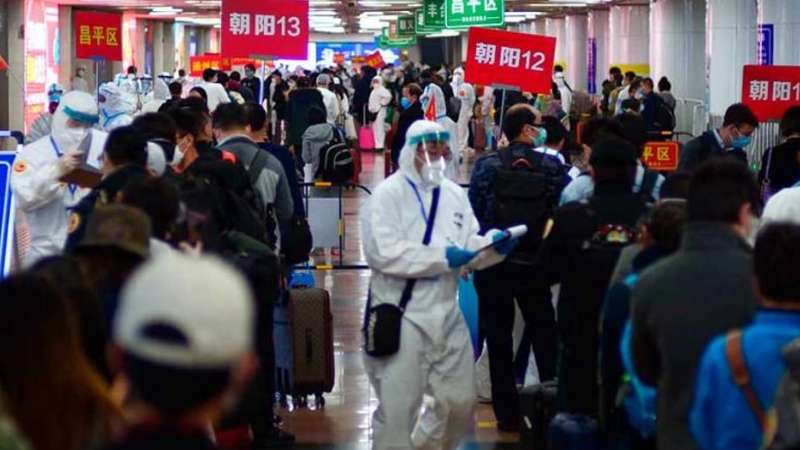
Residents get a health checkup in China.
What is HMPV (Human metapneumovirus), and should you be worried? The respiratory virus is causing a health emergency in China, which reported a surge in cases in several provinces in the country. Hospitals are reportedly implementing emergency measures to manage the situation. Although Chinese authorities have attributed the outbreak to seasonal trends and enhanced detection technologies, there has been increased vigilance worldwide, with many fearing that HMPV may spread or mutate like Covid-19. However, experts have allayed these fears. Here’s what you need to know:What is HMPV?
Human metapneumovirus (HMPV) is a respiratory virus first identified in the Netherlands in 2001, though studies suggest it has been circulating globally for decades. It belongs to the same family as respiratory syncytial virus (RSV) and influenza, and primarily spreads during colder seasons. Experts say it is a common cause of respiratory tract infections, particularly among young children, the elderly, and immunocompromised individuals.How is HMPV transmitted?
Similar to other respiratory viruses, HMPV spreads through close contact with infected individuals or exposure to their secretions. The incubation period typically lasts three to five days.What are the symptoms?
Symptoms range from mild cold-like issues, such as sore throat, fever, and nasal congestion, to severe conditions like bronchitis and pneumonia in vulnerable groups. There is no specific antiviral treatment, but symptoms can be managed with fever reducers, antihistamines, and breathing treatments.Is HMPV a cause for global concern?
HMPV is not a novel virus, and there is already some level of immunity in the global population. Experts clarify that this virus is not comparable to COVID-19 in terms of severity or pandemic potential. HMPV doesn’t spread or mutate the way COVID-19 does, experts say.What precautions should people take?
Health professionals recommend maintaining good hand hygiene, staying home when sick, and wearing masks in crowded or high-risk settings to reduce transmission. China’s Centre for Disease Control has urged citizens to practice proper cough etiquette and maintain good respiratory hygiene.Should we expect a vaccine soon?
While there is currently no vaccine for HMPV, research is ongoing. Several experimental vaccines are in early development, but public health efforts remain focused on preventive measures.What’s next?
As the situation unfolds, global health agencies like the WHO are closely monitoring HMPV trends. For now, experts reiterate that this is not a pandemic but a seasonal outbreak exacerbated by improved diagnostic capabilities. ICA/CAM/Expat MediaFor all the latest news from the UAE and the world, follow us on Facebook, Twitter and Instagram and subscribe to our YouTube page











Comments
Leave a Comment