
Sheikh Khaled bin Mohamed bin Zayed Al Nahyan inaugurates the Etihad Rail passenger station in Abu Dhabi on June 23, 2026.
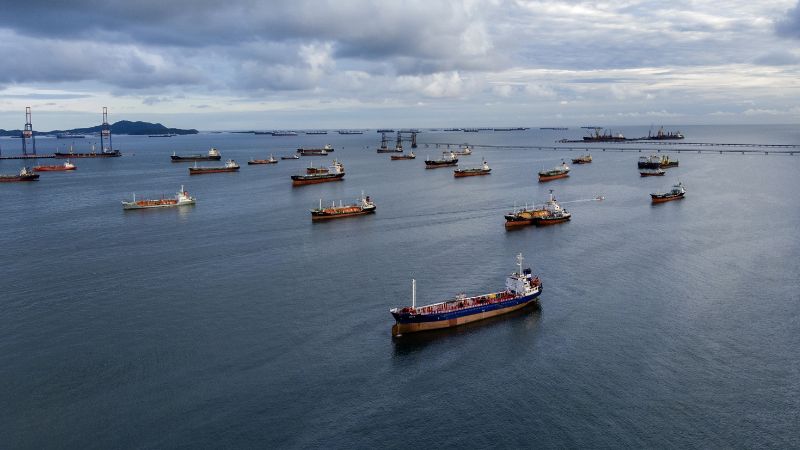
The International Maritime Organization (IMO) has announced plans to evacuate approximately 11,000 seafarers stranded in and around the Strait of Hormuz. The London-based maritime agency said that the large-scale evacuation operation will be carried out in coordination with regional governments, maritime stakeholders and international partners. IMO Secretary-General Arsenio Dominguez said on Tuesday (June 23) that the operation would involve cooperation with Iran, Oman, countries across the region, the United States and maritime industry stakeholders. Dominguez said the necessary safety guarantees have been secured and navigational conditions verified to allow the operation to proceed safely.Relief for stranded cargo
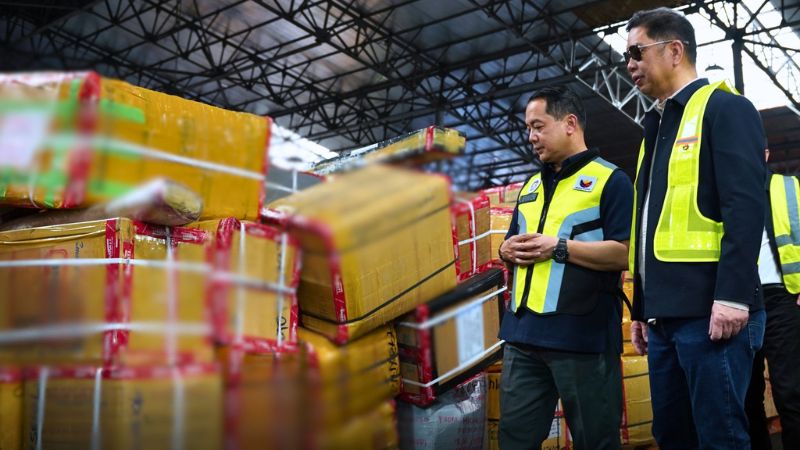
The announcement comes as hundreds of shipping containers stranded aboard vessels in the Strait of Hormuz since March are finally expected to resume their journeys. UAE-based cargo operators, including MSM Cargo, LBC Express and Pinas Cargo, confirmed that vessels delayed for months are now being rerouted through Oman, allowing cargo to continue towards destinations including the Philippines. The development brings relief to thousands of overseas Filipino workers who have been waiting for balikbayan boxes delayed by the maritime disruption. Cargo operators have repeatedly stressed that the delays resulted from extraordinary shipping conditions rather than actions by freight forwarders.UAE pursues 'zero Hormuz dependency'
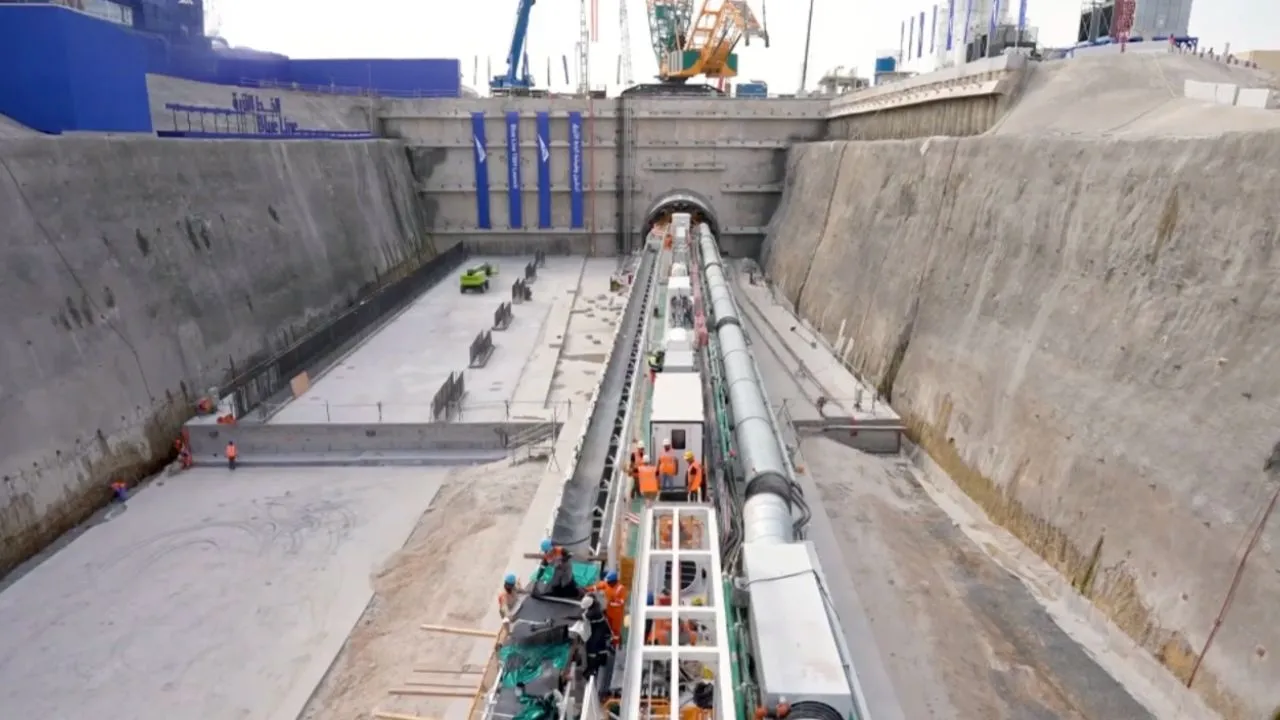
Meanwhile, the UAE has unveiled an ambitious long-term strategy aimed at eliminating dependence on the Strait of Hormuz. Dr. Thani bin Ahmed Al Zeyoudi, Minister of State for Foreign Trade, said the UAE intends to ensure that trade and energy exports can continue uninterrupted regardless of future developments affecting the strategic waterway. “We’re moving towards having zero Hormuz dependency and that’s regardless of whether it’s open or not,” Al Zeyoudi said. “It’s going to open and we hope that will happen quickly, but we will not stop the new plan.” The strategy centres on expanding eastern coast ports located along the Gulf of Oman, including Fujairah, Dibba and Khor Fakkan. Authorities also plan to build at least one new harbour on the eastern seaboard while developing additional rail, road and pipeline connections linking ports to energy and industrial facilities across the UAE. The plans build upon the existing Habshan-Fujairah pipeline, which already allows crude oil exports to bypass the Strait of Hormuz. In May, the UAE announced plans to accelerate construction of a second pipeline that would double export capacity through Fujairah. Authorities are also studying a third pipeline and additional logistics corridors. “The direction is already there, we’re doing the whole feasibility studies to move on,” Al Zeyoudi said. “During those tough times, you always identify your gaps and you start working on it.” The UAE is also exploring dedicated petrochemical and liquefied natural gas export hubs on its eastern coast to ensure uninterrupted access to international markets. The government has allocated Dh1 billion to support small and medium-sized enterprises facing supply chain disruptions and rising logistics costs. Officials said the infrastructure investments are designed to strengthen economic resilience, protect supply chains and reinforce the UAE's position as a leading global trade and logistics hub. ICA/Expat MediaFor all the latest news from the UAE and the world, follow us on Facebook, Twitter and Instagram and subscribe to our YouTube page









Comments
Leave a Comment