
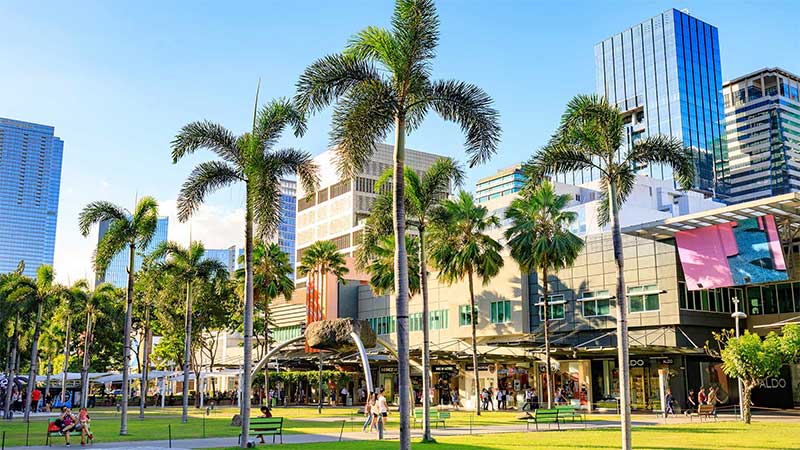
At Bonifacio Global City in Taguig, Metro Manila, Philippines. ARCHIVE
The Philippines has officially launched a value-added tax (VAT) refund system for foreign tourists, a move aimed at attracting more visitors and increasing consumer spending in the country. The VAT Refund for Non-Resident Tourists Act, recently signed into law, allows foreign visitors to claim a refund on value-added tax (VAT) for locally purchased goods worth at least ₱3,000 from accredited retailers. The purchased items must be taken out of the Philippines as accompanied baggage within 60 days of purchase. The law applies only to tangible retail products, such as clothing, electronics, gadgets, jewelry, accessories, souvenirs, and consumables meant for personal use. Finance Secretary Ralph Recto emphasized the significant economic benefits of the law, citing a multiplier effect of 1.97—meaning every ₱100 spent by tourists generates ₱197 in economic output. "Imagine that. Halos doble ang balik sa ekonomiya (Almost double the return to the economy)," Recto said during the ceremonial signing of the law’s implementing rules and regulations (IRR). More tourist spending translates to increased business opportunities, more job creation, and higher government revenues, he added. “We want more tourists to come, stay longer, spend bigger, and transact with convenience,” he said, stressing that effective execution is key to maximizing the law’s impact.Simplified VAT refund system
Recto vowed to implement a simple, accessible, and efficient VAT refund system that ensures ease of use for foreign visitors. “From our end at the Department of Finance, we aim to deliver a VAT refund system that is world-class, modern, and built on the principles of transparency, efficiency, and ease,” he said. To achieve this, the DOF will engage reputable, internationally recognized VAT refund operators to provide seamless electronic or cash refunds. The Department of Tourism (DOT) is expected to play a key role in promoting the Philippines as a prime shopping and travel destination, Recto said. He emphasized the importance of transport infrastructure—including airports, seaports, and roads—to accommodate more tourists. "Our shared goal should be clear: Tourists should leave the Philippines with more than just souvenirs. They should leave knowing that this is a country that delivers on its promises," Recto said. CAM/Expat MediaFor all the latest news from the UAE and the world, follow us on Facebook, Twitter and Instagram and subscribe to our YouTube page








Comments
Leave a Comment