
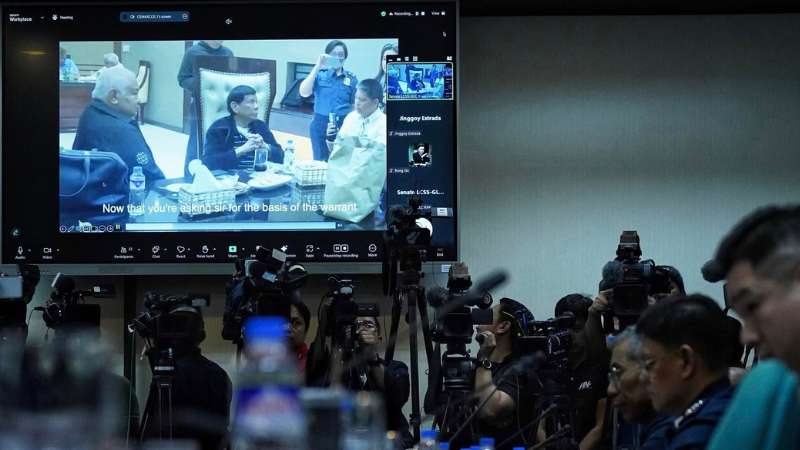
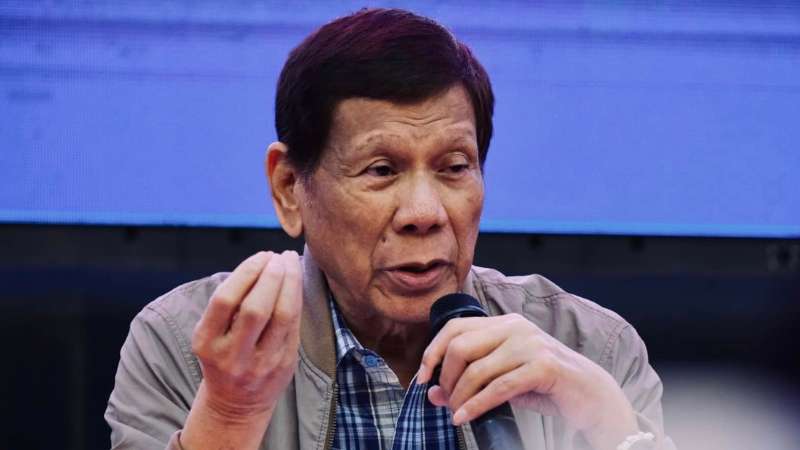
At the March 20, 2025 Philippine Senate hearing into former president Rodrigo Duterte's arrest. SENATE OF THE PHILIPPINES
The Philippine Senate launched on Thursday (March 20) an urgent investigation into the controversial arrest and handover of former Philippine president Rodrigo Duterte to the International Criminal Court (ICC), questioning the legal basis of his detention and the role of local authorities in executing the warrant. The hearing by the Committee on Foreign Relations, spearheaded by Senator Imee Marcos, saw senators, police officials, and other government representatives debating the legitimacy of Duterte’s arrest, which was executed at Manila’s Ninoy Aquino International Airport on March 11.‘Why did we surrender a fellow Filipino?’
Senator Marcos, who has largely charted an independent course from her brother, President Ferdinand Marcos Jr., expressed outrage at Duterte’s transfer to ICC custody. “Bakit natin isinuko ang isang kapwang Pilipino?” (Why did we surrender a fellow Filipino?), she asked during the hearing. She further questioned the government’s decision, saying, “Isinuko natin si Rodrigo Roa Duterte sa dayuhan na para bang wala siyang sariling bayan, na para bang hindi na natin kaya humusga sa sarili nating tahanan (We surrendered Rodrigo Roa Duterte to foreigners as if he no longer has his own country, as if we are incapable of making our own judgment in our own home)." Duterte, the first Asian former head of state to be charged by the ICC, faces allegations of crimes against humanity, including murder, in connection with his war on drugs. His arrest has fueled political tensions ahead of the upcoming midterm elections in May. Senator Alan Peter Cayetano underscored the need to uphold due process, regardless of political affiliations. "We’re trying to get to the confusion to make sure we respect our constitution and everyone’s right is protected," Cayetano said. "The duty of the constitution that everyone should be given due process." He warned against political maneuvering, emphasizing that the legal process must remain fair and just for all. Senate President Pro Tempore Jinggoy Estrada also voiced concerns about the Philippine National Police’s (PNP) handling of the arrest. Estrada played footage from the incident in which Police Major General Nicolas Torre III, head of the Criminal Investigation and Detection Group (CIDG), was heard saying he would “forcefully drag someone” if necessary. Estrada condemned the remarks, saying they projected an image of police brutality and lack of respect for Duterte, who is 79 years old. “Bakit hindi ninyo man lang binigyan ng kortesiya ang anak na isang abogada na magkokonsulta? (Why didn’t you at least grant the courtesy to his daughter, who is a lawyer, to consult with him?)," Estrada asked, referring to Vice President Sara Duterte’s attempt to be with her father during the arrest. He noted that even detainees held for 24 hours are allowed visits from immediate family members, yet "hindi pa nakakulong, hindi niyo pinapasok ang anak (he wasn’t even in detention yet, and you still didn’t let his daughter in)."PNP defends arrest procedures
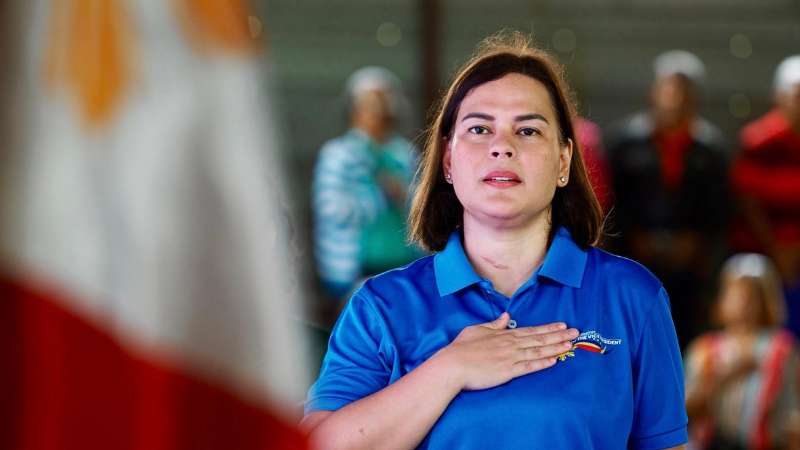
CIDG chief Nicolas Torre III, who led the arrest, insisted that Duterte’s detention was legal, citing an ICC warrant transmitted via Interpol. “I believe the electronic copy is accepted in the rules of court,” Torre said, explaining that the electronic copy of the arrest warrant was attached to a diffusion notice from Interpol. During the hearing, Vice President Sara Duterte, appearing via video conference, denounced her father’s arrest as "extraordinary rendition", a term referring to the state-backed kidnapping of individuals without legal process. "What happened on March 11 is not just about one man, it is about all of us. If a former president can be taken without due process, what stops them from doing the same to any other Filipino?" the younger Duterte said.Legal and political fallout
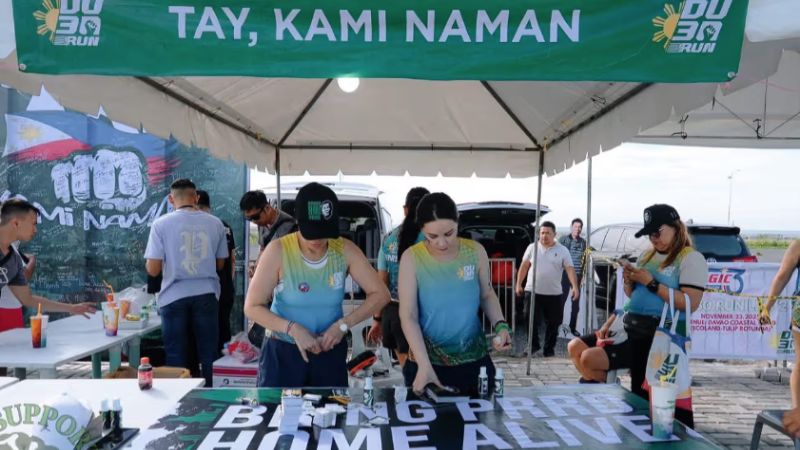
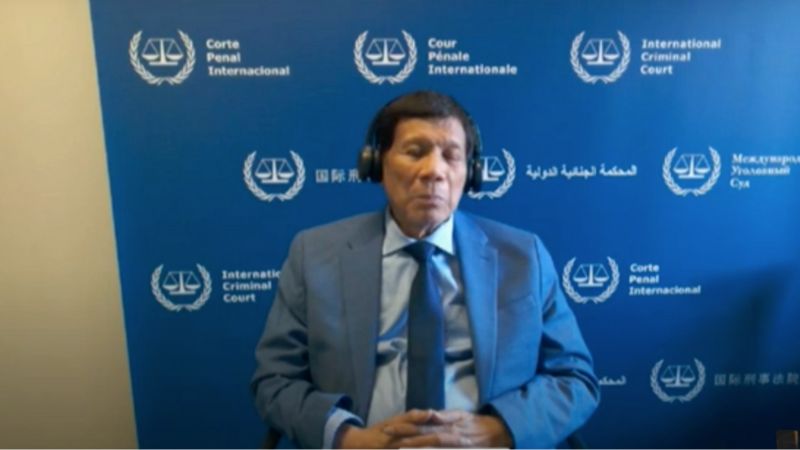
The Marcos administration has defended its actions, citing Republic Act 9851, which allows for the extradition of individuals accused of crimes against humanity under applicable treaties and laws. Still, political analysts suggest the arrest marks the collapse of the Marcos-Duterte alliance, which played a pivotal role in securing the presidency and vice presidency in 2022. With Duterte scheduled to appear before the ICC in September to confirm charges against him, the political and legal battle is expected to intensify in the coming months. Meanwhile, the supporters of former president Duterte have held nationwide and international protests demanding his immediate release and return to the Philippines. His children have also petitioned the Supreme Court to issue a writ of habeas corpus to compel the Marcos administration to return him. The Duterte camp argues that since the Philippines withdrew from the ICC in 2019, the warrant was invalid. However, the Marcos administration maintains that the arrest was executed under Interpol’s request and in accordance with Republic Act 9851, which allows extradition for crimes against humanity. Duterte's lead counsel, Nicholas Kaufman, has expressed confidence in securing his acquittal. “I’m very confident of the strongest defense possible and I’m very confident that he will be acquitted, indeed, even at the earliest stage possible,” Kaufman said. “We will be filing all necessary applications in due course.” The British lawyer also said the defense team would challenge the manner of Duterte’s arrest. “He was completely denied all his rights in the Philippines. That would obviously be an argument in the course of his defense,” he added. CAM/ICA/Expat Media
For all the latest news from the UAE and the world, follow us on Facebook, Twitter and Instagram and subscribe to our YouTube page





Comments
Leave a Comment