
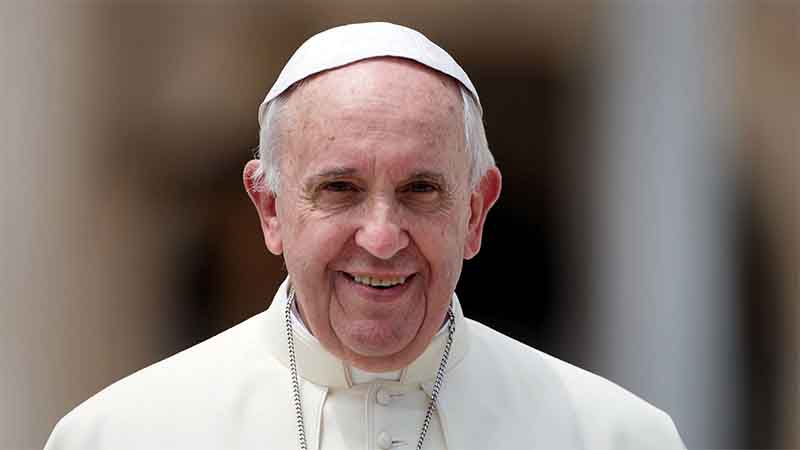
Pope Francis. ARCHIVE
VATICAN CITY – Pope Francis, the 266th leader of the Roman Catholic Church, has died at the age of 88, the Vatican confirmed on Monday (April 21). He died at his residence in the Vatican City. His death comes just one day after making a poignant public appearance in Saint Peter’s Square on Easter Sunday, offering blessings to the faithful despite ongoing health concerns. “This morning at 7:35 am (0535 GMT) the Bishop of Rome, Francis, returned to the home of the Father,” said Cardinal Kevin Farrell in an official statement published by the Vatican on its Telegram channel. Born Jorge Mario Bergoglio on December 17, 1936, in Buenos Aires, Argentina, Pope Francis made history in 2013 when he became the first Jesuit pope, the first from the Americas, and the first non-European to assume the papacy in more than 1,200 years. His papacy was marked by a deeply humanistic approach to leadership. A strong advocate for the poor, the environment, and interfaith dialogue, he transformed the Church’s tone on several divisive issues. Among his most influential initiatives were the Laudato Si’, his landmark encyclical on climate change, calling for global environmental responsibility. He also promoted inclusivity and humility, shifting the tone of the Church on issues such as LGBTQ+ rights and immigration. Pope Francis issued apologies to victims of clergy sexual abuse and instituting stricter measures for accountability within the Church. He also appointed women to positions of power within the Vatican traditionally held by men. In 2019 during his first visit to the UAE, he became the first Pope in history to visit and perform papal mass in the Arabian Peninsula. Despite his achievements, Pope Francis’s later years were marred by ailing health, most recently complicated by bilateral pneumonia. He had canceled several events and his deteriorating condition had cast uncertainty over the Vatican’s plans for the 2025 Jubilee Year celebrations. The Vatican now turns its attention to the future, with the papacy entering sede vacante—the period between the death of a pope and the election of his successor. The College of Cardinals, comprised of 252 members, will soon gather for a secretive papal conclave in the Sistine Chapel, where 138 voting cardinals will cast ballots to elect the next leader of the world’s 1.3 billion Catholics. The rules of the conclave remain unchanged since the last revision: up to four votes per day are held, and a candidate must secure a two-thirds majority. While no clear frontrunner has emerged, speculation is mounting as observers look to influential figures within the Church’s global leadership. The papal selection process, steeped in centuries-old tradition, typically spans 15 to 20 days. Black or white smoke from the chapel chimney will again signal the result to a watching world. Pope Francis's death marks the end of a transformative era for the Catholic Church. As the Vatican enters a solemn time of mourning, the faithful and observers alike await the next chapter in Church history. ICA/Expat MediaA look back at Pope Francis' historic visit to UAE in 2019
For all the latest news from the UAE and the world, follow us on Facebook, Twitter and Instagram and subscribe to our YouTube page







Comments
Leave a Comment