
Dubai is building 152 new parks and 33km of cycling tracks under Sheikh Hamdan’s new urban plan. ARCHIVE
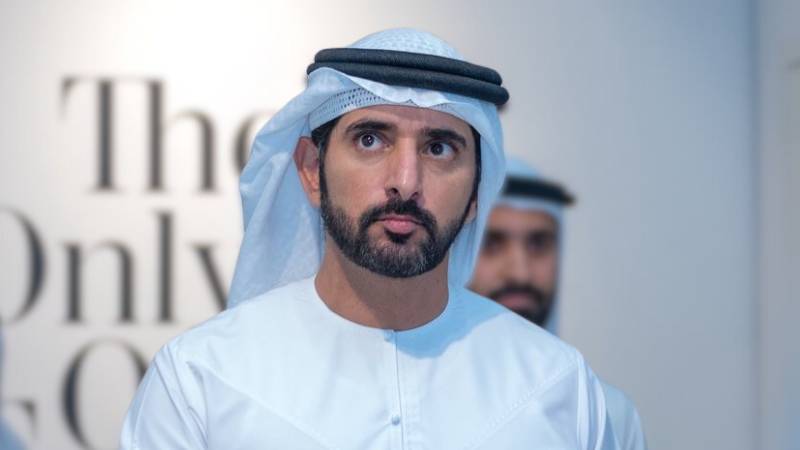
Dubai is set for a major transformation in community living after Sheikh Hamdan bin Mohammed bin Rashid Al Maktoum approved a new strategic planning model that will deliver 152 new parks and more than 33 kilometres of dedicated cycling tracks across two major residential districts. The model, unveiled during an Executive Council meeting at Emirates Towers on Monday (December 8), places green spaces within a 150-metre walk for every resident of Madinat Latifa and Al Yalayis. It forms part of Dubai’s adoption of the 20-Minute City concept and reinforces the Dubai Social Agenda 33 vision, centred on the principle that “Family is the foundation of our nation.” Sheikh Hamdan, Crown Prince of Dubai, Deputy Prime Minister and Minister of Defence, said the project reflects Dubai’s long-term commitment to citizens’ wellbeing. “Guided by the directives of His Highness Sheikh Mohammed bin Rashid Al Maktoum, citizen welfare and family empowerment form the foundation of Dubai’s future plans,” he said. “This model focuses on creating socially interconnected, service-integrated communities that enhance quality of life through homes, neighbourhoods, parks, schools, and their service centres.” He later wrote on X that Dubai aims to “offer all citizens a better life, greater opportunities for their families and a brighter future for generations to come.”Parks every few steps
Madinat Latifa will allocate 11 per cent of its total area to parks and open spaces. The district will include 77 neighbourhood parks linked by 12 kilometres of walkways and cycling paths. Al Yalayis will have 75 parks connected through a green corridor that runs across the community. Cycling routes, shaded walkways and central parks will serve as lively hubs for recreation, sports and cultural activities rather than passive open spaces. The design revives Dubai’s traditional Fareej concept, where homes, mosques, schools, parks and service centres are all integrated into a walkable urban fabric. Madinat Latifa will include schools, early childhood centres, health clinics, mosques and commercial hubs across a 3,000-hectare area capable of housing 141,000 people and 18,500 residential units. Meanwhile, Al Yalayis will cover 1,108 hectares, accommodating 66,000 people and 8,000 housing plots. Both districts aim to ensure that daily services—from groceries to healthcare—are reachable by foot or bike within minutes.Digital resilience and 2026 agenda
The Executive Council also approved Dubai’s Digital Resilience Policy, intended to strengthen the emirate’s ability to protect critical digital assets including data centres, networks and cloud platforms. Sheikh Hamdan said: “We have one of the most advanced digital infrastructures in the world. The Digital Resilience Policy has been approved as a key tool to enhance digital leadership in a comprehensive and proactive way.” The meeting further endorsed Dubai’s 2026 agenda, which advances the Dubai Plan 2033 priorities, focusing on social development, infrastructure, economic growth, public safety and family empowerment. Sheikh Hamdan affirmed that Dubai continues to advance “on an integrated development path that prioritises its people and strengthens its position as a global model in urban and social planning.” ICA/Expat MediaFor all the latest news from the UAE and the world, follow us on Facebook, Twitter and Instagram and subscribe to our YouTube page










Comments
Leave a Comment