
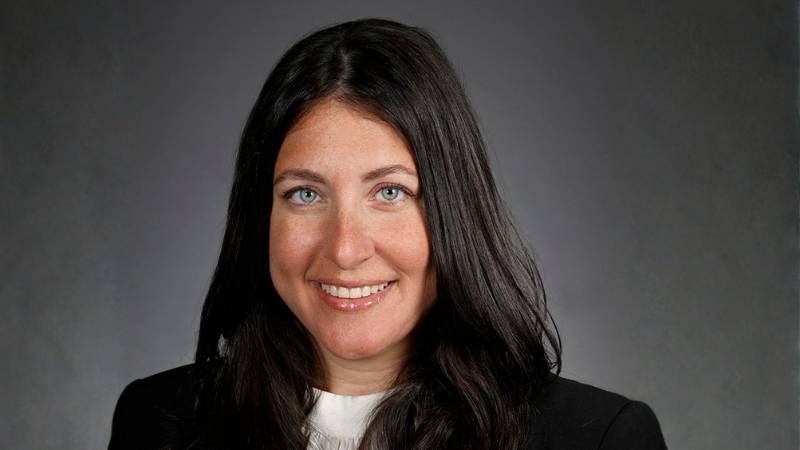
Dr. Erika King is a breast surgical oncology fellow at Mount Sinai Hospital, New York. ARCHIVE
In the corridors of Mount Sinai Hospital in New York City, Dr. Erika King moves with calm confidence. She is not only a Breast Surgical Oncology Fellow but also one of the few doctors shaping the next generation of personalized cancer care. What makes Dr. King remarkable isn’t just her medical expertise—it’s the humanity she brings to every diagnosis, every surgery, and every patient conversation. “Every day, I have the privilege of caring for women at some of the most vulnerable moments in their lives,” she says. “What truly drives me is the opportunity to combine highly technical surgical skills with deeply personal, compassionate patient care.” Her work is equal parts science and empathy. From performing complex breast surgeries to guiding patients through the uncertainty of cancer, Dr. King sees her role as both healer and advocate. “It’s incredibly fulfilling to walk alongside patients through their diagnosis and treatment, helping them make informed decisions and regain a sense of control,” she says. Her career path was far from predictable. Dr. King didn’t set out to specialize in breast oncology, but she found her calling in a field that allowed her to merge precision surgery with human connection. “I’ve always been drawn to science and human connection, and medicine felt like a natural way to bring those two passions together,” she says. “Breast surgical oncology, in particular, allows me to support patients through emotionally and physically complex experiences while applying precise, high-stakes surgical skills.” Today, her research focuses on hereditary breast cancer, particularly paternally inherited BRCA mutations—a lesser-known yet significant factor in genetic risk. “Working with patients who carry hereditary BRCA mutations has been one of the most rewarding experiences of my career,” she shares. “These experiences inspired me to explore how paternally inherited mutations influence breast cancer risk and outcomes.” As a mentor, Dr. King is also dedicated to empowering young women in medicine. “I’m passionate about integrating cutting-edge science with education and mentorship,” she says. “I hope to contribute by improving access to multidisciplinary, evidence-based care and helping patients navigate complex treatment decisions with clarity and dignity.” Her journey is a powerful reminder that medicine is more than treatment—it’s transformation. “I love the continuity of care, the long-term relationships I build with patients, and the ability to make a meaningful impact not just on survival, but on quality of life,” she reflects. “It’s an honor to be trusted during such intimate, life-altering moments.”5 essential breast health tips every woman should know
Dr. Erika King believes that empowerment begins with awareness. Here are her top five breast health essentials every woman—especially in the GCC—should live by: 1. Know your normal. Understanding what’s “normal” for your body is the first step to early detection. “Women should perform self-exams monthly and pay attention to any changes, such as lumps, swelling, or discharge,” Dr. King advises. “Early detection begins with self-awareness.” 2. Prioritize regular screenings. Routine mammograms and clinical exams can catch cancer before symptoms appear. “For women over 40, annual mammograms are often recommended,” she says. “Those with higher risks may need to start earlier.” 3. Pay attention to family history. If a close relative has had breast or ovarian cancer, your risk may be higher. “Genetic testing and frequent screenings can offer clarity,” she explains. “Knowing your history means taking control.” 4. Embrace a healthy lifestyle. “Genetics play a role, but lifestyle matters too,” says Dr. King. Maintaining a healthy weight, exercising regularly, and limiting alcohol can all reduce risk. “Prevention is about consistency, not perfection.” 5. Listen to your body. “Breast cancer doesn’t always present with a lump,” she cautions. Persistent pain, swelling, or skin changes can also be warning signs. “Listening to your body is one of the strongest forms of self-advocacy.” A condensed version of this story also appears in the Expat Media Special Edition magazineFor all the latest news from the UAE and the world, follow us on Facebook, Twitter and Instagram and subscribe to our YouTube page












Comments
Leave a Comment