
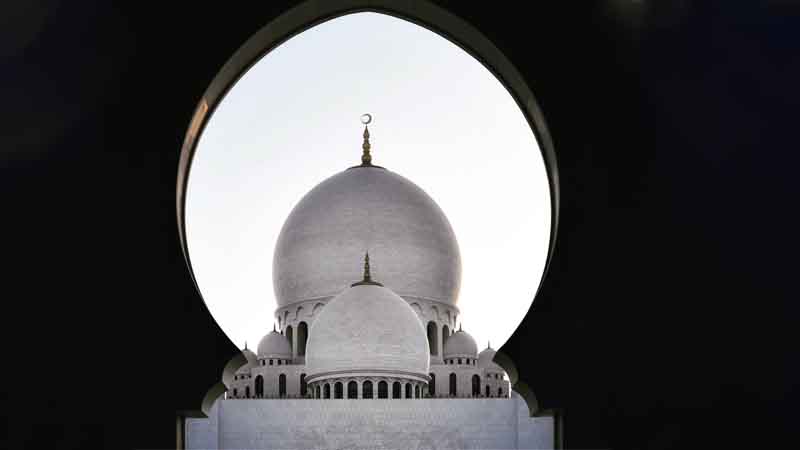
Picture for illustrative purposes only. ARCHIVE
The UAE has officially confirmed that Eid Al Adha will begin on Wednesday (May 27) after the crescent moon marking the start of Dhu Al Hijja, the 12th and final month of the Islamic calendar, was sighted across the country on Sunday (May 17). The moon sighting means Dhu Al Hijja will officially begin on Monday (May 18), setting the dates for both the annual Hajj pilgrimage and Eid Al Adha, one of the most significant religious holidays in Islam. Under the Islamic calendar, Hajj begins on the eighth day of Dhu Al Hijja, which this year falls on May 25. Arafat Day, considered the holiest day of Hajj and observed on the ninth day of the month, will fall on May 26. Eid Al Adha, which starts on the 10th day of Dhu Al Hijja, will therefore begin on May 27. The confirmation follows similar announcements from Saudi Arabia, Oman, Tunisia and Turkey, which also declared that Monday would mark the first day of Dhu Al Hijja after sighting the crescent moon on Sunday evening.Public, private sector holiday confirmed
The Federal Authority for Government Human Resources (FAHR) had earlier announced a five-day paid Eid Al Adha holiday for UAE public sector employees. The break will run from Monday (May 25) to Friday (May 29), with normal working hours resuming on Monday (June 1). The holiday covers both Arafat Day and Eid Al Adha celebrations, giving government employees an extended break. Update: Private sector employees across the UAE will get a four-day paid holiday for Eid Al Adha after the Ministry of Human Resources and Emiratisation (MoHRE) officially announced the break on Monday (May 18). According to MoHRE, the holiday will begin on May 26 for Arafat Day and continue until May 29 for Eid Al Adha celebrations. Normal working hours will resume on May 30. Meanwhile, private schools in Dubai had already announced they would close from May 25 to 29 in observance of Eid Al Adha, with classes expected to resume on June 1.A major celebration for Muslims worldwide
Eid Al Adha, also known as the Festival of Sacrifice, commemorates the willingness of Prophet Ibrahim to sacrifice his son in obedience to God’s command. The holiday is marked by special prayers, family gatherings, charitable giving and the ritual sacrifice of livestock, with meat traditionally distributed among relatives, friends and those in need. The holiday also coincides with the completion of Hajj, the annual pilgrimage to Makkah that is one of the five pillars of Islam. ICA/Expat MediaFor all the latest news from the UAE and the world, follow us on Facebook, Twitter and Instagram and subscribe to our YouTube page










Comments
Leave a Comment