
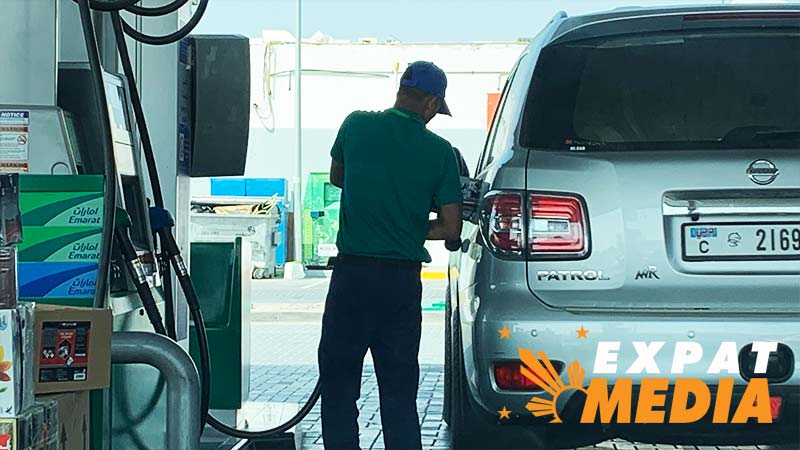
Picture for illustrative purposes only. EXPAT MEDIA
The UAE has announced that it will officially leave the Organisation of the Petroleum Exporting Countries (OPEC) and OPEC+ starting May 1. The move marks a major shift in the country’s long-standing oil strategy and raises questions about how it could affect fuel prices and everyday consumers. The decision, announced on Tuesday (April 28), ends nearly six decades of UAE participation in OPEC after first joining through Abu Dhabi in 1967, before the UAE federation in 1971. Officials said the move is part of the UAE’s “long-term strategic and economic vision” as the country expands domestic energy production and strengthens investments across oil, gas, renewables and low-carbon energy solutions. “This decision follows a comprehensive review of the UAE’s production policy and its current and future capacity and is based on our national interest and our commitment to contributing effectively to meeting the market’s pressing needs,” according to the official statement.What OPEC membership meant
OPEC members coordinate oil production policies, including agreeing on output quotas designed to stabilise global oil prices. Member states work together to balance supply and demand, reduce price volatility, and protect revenues for oil-producing countries while ensuring reliable supply for consumers. By leaving OPEC, the UAE will no longer be bound by the group’s production quotas and will gain greater flexibility to increase or adjust oil output based on its own national priorities. For UAE residents, the biggest question is whether this could lead to cheaper petrol prices. Experts say the answer is: possibly, but not immediately. Because the UAE will have more freedom to increase production, it may be able to bring more oil to market when demand is high. Greater supply can help ease global price pressure, which could eventually support lower fuel prices. However, petrol prices in the UAE are still tied to international market rates, geopolitical tensions, and global supply disruptions, especially around the Arabian Gulf and the Strait of Hormuz. This means consumers should not expect an instant drop in monthly fuel prices, but the move could improve the UAE’s long-term ability to manage supply and protect economic stability.Why the UAE is making the move
The UAE said it remains committed to being a “reliable and responsible energy partner” and will continue adding production “in a gradual and measured manner” aligned with market demand. Officials stressed that the exit does not mean abandoning cooperation with oil-producing nations. “This decision does not alter the UAE’s commitment to global market stability or its approach based on cooperation with producers and consumers. Rather, it enhances the UAE’s ability to respond to evolving market needs,” according to the statement. The country also highlighted that it produces some of the world’s most cost-competitive and lower-carbon barrels of oil, positioning it strongly for both economic growth and emissions reduction goals. For ordinary residents, the impact may be more visible in the long term through fuel affordability, inflation control, transport costs, and broader economic resilience. If oil revenues remain strong while supply becomes more flexible, this could support government spending, infrastructure growth and business confidence. “We reaffirm our appreciation for the efforts of both OPEC and the OPEC+ alliance and wish them success. During our time in the organisation, we made significant contributions and even greater sacrifices for the benefit of all. However, the time has come to focus our efforts on what our national interest dictates,” according to the UAE statement. The UAE said it will continue active engagement with global energy partners while focusing on national priorities and long-term sustainability. ICA/Expat MediaFor all the latest news from the UAE and the world, follow us on Facebook, Twitter and Instagram and subscribe to our YouTube page









Comments
Leave a Comment