
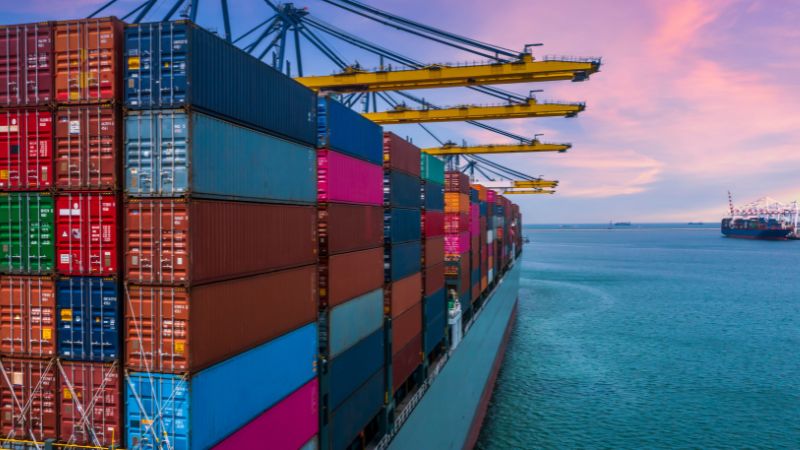
Picture for illustrative purposes only. ARCHIVE
Hundreds of shipping containers stranded aboard vessels in the Strait of Hormuz since March are finally expected to resume their journey after cargo operators confirmed that the stranded ships are being rerouted through Oman. The development offers long-awaited relief to overseas Filipino workers (OFWs) and their families who have been waiting for balikbayan boxes that have remained stuck at sea for nearly four months. UAE-based cargo companies MSM Cargo, LBC Express and Pinas Cargo confirmed that vessels stranded since early March are finally being rerouted to Oman and are scheduled to depart the port soon, allowing containers trapped aboard the ships to continue their journey to their final destinations, including the Philippines. The announcement comes after months of frustration among some customers who blamed cargo companies for the delays. However, industry operators say the disruption was caused by extraordinary circumstances beyond the control of freight forwarders.Why the containers became stranded
The vessels became trapped after the Strait of Hormuz, one of the world's most important shipping routes, was severely disrupted by escalating regional conflict that began on February 28. The strategic waterway, which connects the Arabian Gulf to the Gulf of Oman, is a critical route for global trade and energy shipments. According to shipping industry reports, vessels caught in the area in March faced dangerous conditions including underwater bomb mines, drone threats, missile strikes and severe GPS interference. The situation prompted shipping companies and vessel owners to stop movements through the area as safety concerns escalated. Marilyn Siervo, owner of MSM Cargo, said many customers did not realise that once containers had already been loaded onto ships that became stranded, cargo companies had no authority to retrieve them. “First of all, there were threats of hostile attacks so ship owners didn’t want to take the risk. Also, there was a severe backlog of hundreds of ships on top of safety threats on that very narrow waterway, which meant manoeuvering out of the Strait of Hormuz was not a good option either,” Siervo told Expat Media. “We could not force them to return our boxes because they have to put the safety of their crew first.” Industry sources said the disruption created a backlog involving hundreds of vessels after the region was classified as a high-risk zone by international maritime insurers. Thousands of seafarers were also reportedly stranded at sea or trapped in ports for months as operators waited for conditions to stabilise. Siervo said the disruption was unprecedented in her 14 years of operating MSM Cargo in the UAE. The company is among the few UAE-based cargo operators accredited by the Philippines' Bureau of Customs, with its own warehouse and deconsolidation facility in the Philippines, as well as a strong track record in delivering balikbayan boxes.Why newer balikbayan boxes arrived first
One of the biggest questions from OFWs has been why some balikbayan boxes sent after March 3 have already arrived in the Philippines while older shipments remain stuck. According to Siervo, the answer lies in the alternative logistics solutions developed after the crisis began. While containers already aboard stranded vessels remained inaccessible, cargo companies quickly adjusted operations for newer shipments. Rather than sending cargo directly through affected maritime routes, freight forwarders began storing boxes in warehouses while searching for safer alternatives. “We shifted quickly to the Oman route as part of contingency measures,” MSM Cargo told Expat Media. “It’s costing us more and it definitely extended the delivery timelines, but the priority is making sure care boxes still reach OFW families. That is what matters most to our customers.” Cargo firms told Expat Media that the Oman route, though a longer route than shipping via Strait of Hormuz, has become a critical alternative to ensure shipments continue reaching families in the Philippines despite regional shipping uncertainty. MSM Cargo said the priority was ensuring that newly collected balikbayan boxes could continue reaching Filipino families despite the disruption. Cargo operators serving the Filipino community began rerouting shipments through Oman using a combination of sea and land transport corridors. Containers were diverted through ports and logistics networks connected to Oman and the UAE's eastern coast facilities, allowing shipments to bypass the most affected areas. Dubai Customs also activated a Green Corridor system in coordination with Oman Customs to accelerate customs clearance and cargo transfers. The alternative route allowed freight forwarders to continue delivering goods to countries like the Philippines even as vessels already trapped in the Strait of Hormuz remained immobilised. As a result, many balikbayan boxes shipped weeks or even months after March 3 were able to reach the Philippines ahead of older cargo that had been loaded onto the stranded vessels.Higher costs and shipping surcharges
However, the crisis also increased costs across the shipping industry. Siervo said shipping companies imposed war-risk insurance charges worth thousands of dollars per container as regional security concerns escalated. Many shipping lines also introduced emergency recovery surcharges to offset increased operating costs. Cargo forwarders absorbed part of the increase but were eventually forced to pass some costs to consumers through temporary rate adjustments of approximately 15 to 20 percent, depending on box size and destination. Compounding the delays was the fact that balikbayan boxes represent only a small fraction of overall cargo moving through the region. According to industry estimates, approximately 2.5 million containers are processed through Dubai's seaports every month. Perishable goods, food supplies, medical shipments and commercial cargo typically receive priority handling from shipping lines, while balikbayan boxes are often placed lower in the queue. This meant containers carrying personal effects and gifts for families in the Philippines were among those left waiting as shipping companies focused on restoring critical supply chains. The rerouting through Oman now offers hope to thousands of Filipino families still waiting for boxes sent months ago. UAE-based cargo companies have said they continue to coordinate closely with shipping partners and overseas agents to minimise further delays and ensure cargo reaches its destination safely. “Our team continues to work closely with our shipping partners and agents to ensure the safe and efficient movement of your cargo while minimising further delays,” one company said. For families who have spent months wondering where their balikbayan boxes are, the long wait may finally be nearing an end. PIA/Expat MediaFor all the latest news from the UAE and the world, follow us on Facebook, Twitter and Instagram and subscribe to our YouTube page












Comments
Leave a Comment