
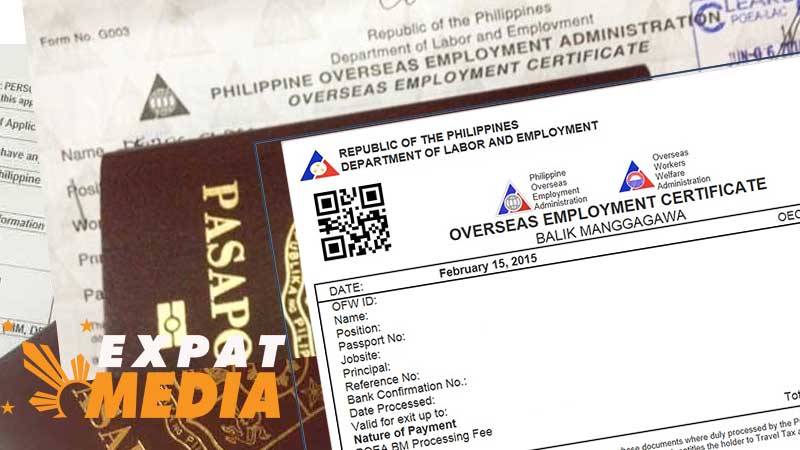
Guide: How to apply for OEC or Overseas Employment Certificate
DUBAI – If you’re an Overseas Filipino Worker (OFW) you must have surely heard of the Overseas Employment Certificate (OEC). This small but important piece of paper is a requirement for all OFWs departing for or returning to their work overseas. The requirement is mandated by the Philippine Overseas Employment Administration (POEA). Here’s a guide on how to apply for OEC and all you need to know.How to apply for OEC
1. Go to https://onlineservices.dmw.gov.ph//OnlineServices/POEAOnline.aspx 2. On E-Registration, click Let’s Go 3. Enter your registered email then click Next 4. Enter your password 5. Enter passport data and beneficiary data on your profile 6. Click on Balik Manggagawa (right side of the page) and click Next 7. Enter your return flight date. Click Next 8. If you are a returning Balik Manggagawa (Overseas Filipino Worker), you will be asked if you are returning to the same employer, job site and position. If yes, you will get an OEC Exemption. 9. If no, you will need to update your employment details. Click Submit once done. 10. Select Processing Site, and click on Next 11. Click Nearest Available 12. Select Appointment slot/date 13. Print your appointment details or take a screenshot 14. Show up at the office you chose to process your OEC.Processing your OEC at POLO in UAE
At the Philippine Overseas Labor Office (POLO) at the embassy or consulate, present the following requirements at the counter: - Proof of online appointment - POLO-verified employment contract - Original passport and visa - Confirmed airline ticket - Sworn statement (for OFW with no previous POEA record or for those applying for OEC for the first time) OWWA members with active membership should present a POLO-verified employment contract and three copies of OEC POPs Household Service Workers should present their POLO-verified employment contract, round-trip plane ticket, passport and three copies of the OEC POPs and Balik Manggagawa appointment form. Cost: The OEC costs Dh10 while OWWA membership costs Dh92 (rates as of April 29, 2022). Only cash payments are accepted for transactions at POLO Dubai and POLO Abu Dhabi. Note: The OEC is valid for 60 days after issuance. OFWs with no previous POEA record should apply for OEC at a POEA office in the Philippines. Those applying for OEC at POLO offices abroad should make a personal appearance during their application process.What is the OEC?
The OEC, also known as exit clearance or exit pass, is a document certifying the regularity of recruitment and documentation of an OFW and proof of his or her registration with POEA.What is the OEC used for?
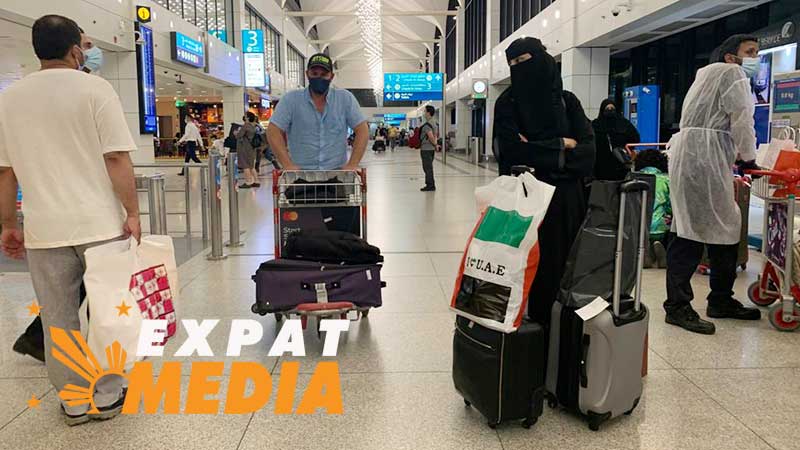
The OEC is presented to the immigration officer at the airport of exit in the Philippines. A worker exiting from the Philippines without OEC may be prevented by the immigration officer from leaving the country.What are the other uses of an OEC?
The OEC grants the OFW travel privileges, such as travel tax exemption, airport terminal fee exemption and reduced travel tax for spouse or dependents.Where can you apply for OEC?
If you left the Philippines on an employment visa for your jobsite abroad and you have POEA record, you can apply for OEC at the Philippine Overseas Labor Office in your embassy or consulate. Those applying for OEC at POLO offices abroad should make a personal appearance during their application process. If you left the Philippines on tourist visa or visit visa, and therefore have no POEA record prior to landing abroad, and then changed your visa status to employment visa at the host country, then you can apply for OEC at any POEA office in the Philippines. ICA/Expat MediaFor all the latest news from the UAE and the world, follow us on Facebook, Twitter and Instagram and subscribe to our YouTube pageJTNDJTIxLS0lMjBDb2RlcyUyMGJ5JTIwSFRNTC5hbSUyMC0tJTNFJTBBJTBBJTNDJTIxLS0lMjBDU1MlMjBDb2RlJTIwLS0lM0UlMEElM0NzdHlsZSUyMHR5cGUlM0QlMjJ0ZXh0JTJGY3NzJTIyJTIwc2NvcGVkJTNFJTBBYS5HZW5lcmF0ZWRMaW5rJTNBbGluayUyMCU3QiUwQWZvbnQtc2l6ZSUzQThweCUzQnRleHQtZGVjb3JhdGlvbiUzQW5vbmUlM0Jjb2xvciUzQSUyMzAwMDAzMyUzQmJhY2tncm91bmQtY29sb3IlM0ElMjNmOWY1ZjUlM0IlMEElN0QlMEFhLkdlbmVyYXRlZExpbmslM0F2aXNpdGVkJTIwJTdCJTBBY29sb3IlM0ElMjMwMDAwMzMlM0IlMEElN0QlMEFhLkdlbmVyYXRlZExpbmslM0Fob3ZlciUyMCU3QiUwQWNvbG9yJTNBJTIzRkY2NjMzJTNCJTBBJTdEJTBBYS5HZW5lcmF0ZWRMaW5rJTNBYWN0aXZlJTIwJTdCJTBBY29sb3IlM0ElMjNGRjk5MDAlM0IlMEElN0QlMEElM0MlMkZzdHlsZSUzRSUwQSUwQSUwQSUzQ2ElMjBjbGFzcyUzRCUyMkdlbmVyYXRlZExpbmslMjIlMjBocmVmJTNEJTIyaHR0cCUzQSUyRiUyRnd3dy5leHBhdG1lZGlhLm5ldCUyRmFkdmVydGlzZS13aXRoLXVzJTIyJTIwdGFyZ2V0JTNEJTIyX2JsYW5rJTIyJTIyJTNFQURWRVJUSVNFJTIwSEVSRSUzQyUyRmElM0UlM0NhJTIwaHJlZiUzRCUyMmh0dHAlM0ElMkYlMkZleHBhdG1lZGlhLm5ldCUyRmNsYXNzaWZpZWRzJTJGJTIyJTNFJTBBJTNDaW1nJTIwYm9yZGVyJTNEJTIyMCUyMiUyMGFsdCUzRCUyMkZpbmQlMjBvciUyMHBvc3QlMjBuZXclMjBqb2JzJTJDJTIwbW90b3IlMjBhZHMlMjBhbmQlMjBjbGFzc2lmaWVkcyUyMiUyMHNyYyUzRCUyMmh0dHAlM0ElMkYlMkZleHBhdG1lZGlhLm5ldCUyRndwLWNvbnRlbnQlMkZ1cGxvYWRzJTJGMjAxNiUyRjA1JTJGRmluZC15b3VyLW5leHQtam9iLTIuanBnJTIyJTIwd2lkdGglM0QlMjIxMDAlMjUlMjIlMjBoZWlnaHQlM0QlMjIxMDAlMjUlMjIlM0UlMEElM0MlMkZhJTNFJTBBJTNDYnIlM0UlMEElM0NiciUzRSUwQSUzQyUyMS0tJTIwSFRNTCUyMENvZGUlMjAtLSUzRQ==JTNDc2NyaXB0JTIwc3JjJTNEJTIyJTJGJTJGcGFnZWFkMi5nb29nbGVzeW5kaWNhdGlvbi5jb20lMkZwYWdlYWQlMkZqcyUyRmFkc2J5Z29vZ2xlLmpzJTIyJTIwYXN5bmMlM0QlMjIlMjIlM0UlM0MlMkZzY3JpcHQlM0UlMEElMjAlM0MlMjEtLSUyMGluLWFydGljbGUlMjBhZCUyMC0tJTNFJTBBJTIwJTNDaW5zJTIwY2xhc3MlM0QlMjJhZHNieWdvb2dsZSUyMiUyMHN0eWxlJTNEJTIyZGlzcGxheSUzQSUyMGJsb2NrJTNCJTIyJTIwZGF0YS1hZC1jbGllbnQlM0QlMjJjYS1wdWItNTAwNjI0MTU4MzU4MTg0OSUyMiUyMGRhdGEtYWQtc2xvdCUzRCUyMjg1MjYwOTM2MTElMjIlMjBkYXRhLWFkLWZvcm1hdCUzRCUyMmF1dG8lMjIlM0UlM0MlMkZpbnMlM0UlMEElM0NzY3JpcHQlM0UlMkYlMkYlMjAlM0MlMjElNUJDREFUQSU1QiUwQSUyOGFkc2J5Z29vZ2xlJTIwJTNEJTIwd2luZG93LmFkc2J5Z29vZ2xlJTIwJTdDJTdDJTIwJTVCJTVEJTI5LnB1c2glMjglN0IlN0QlMjklM0IlMEElMkYlMkYlMjAlNUQlNUQlM0UlM0MlMkZzY3JpcHQlM0UlMEE=












Comments
Leave a Comment