
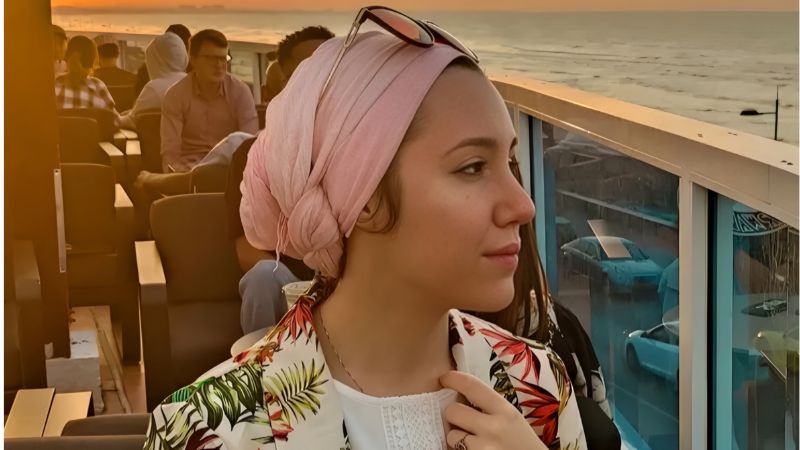
Silvia Pastori lives and works in Oman. SUPPLIED
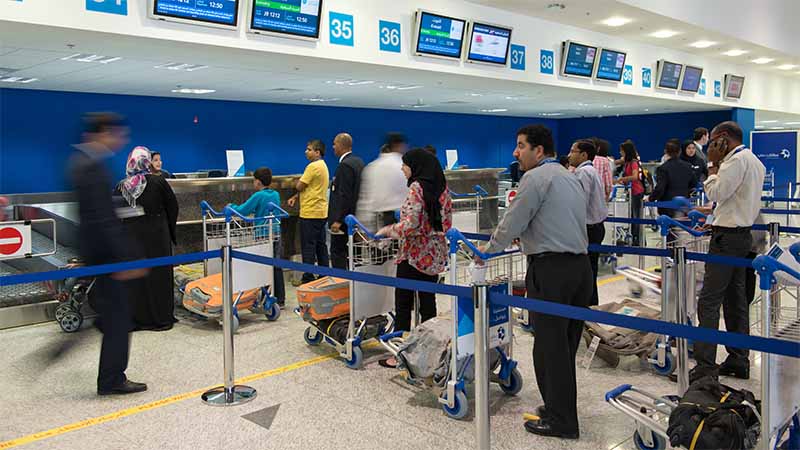
From my window in Oman, life looks unchanged. The sun still rises over the mountains, cafés in Muscat fill with conversation, and families continue their routines. Yet the news on our phones tells a very different story. Since the war between Iran and the US–Israel coalition began on February 28, the Middle East has entered a moment many of us living here never expected to witness. For those of us who have chosen to live and work in the Gulf as expatriates, the situation feels strange, almost surreal. Many countries in this region, including Oman, where I live, have long been considered among the safest and most stable places in the world. Suddenly, they find themselves navigating serious international security tensions. The contrast between daily life and geopolitical reality can feel disorienting. Here in Oman, daily life continues with remarkable calm. Shops are open, children go to school, and people still gather along the corniche or by the beach in the evening. The atmosphere is peaceful, and most residents carry on as usual. Oman has traditionally played the role of mediator in regional disputes, guided by its foreign policy principle of “Friends to all, enemy to none.” On the ground, there is no visible tension in everyday life. But the war has made its presence felt in other ways. Aviation and travel have been among the most immediate casualties of the conflict. Airspace restrictions, flight cancellations, and shifting travel advisories have disrupted regional mobility and created uncertainty for travelers. Across the Middle East, thousands of flights had been canceled or rerouted, leaving passengers stranded and forcing airlines to suspend routes. Tourism, in particular, is suffering. Even countries that remain stable and relatively calm, like Oman, are affected by perception. When travelers read headlines about missiles, airspace closures, or regional tensions, they rarely distinguish between one Gulf country and another. The result is hesitation, cancellations, and fewer visitors. This is perhaps the most frustrating part for those of us living here. The reality on the ground in Oman is one of stability and hospitality. Yet trust, so essential for tourism, is fragile. Flight disruptions and global headlines can make even the safest destinations appear uncertain. There is also a deeper sadness in watching how the conflict has drawn in countries that were not part of its origins. The Gulf states have long worked to build economies based on openness, trade, and international cooperation. Now they find themselves dealing with the consequences of a war that does not truly belong to them; balancing diplomacy, security concerns, and the protection of their people and economies, a task they have so far managed with care. For expatriates like me, living here means witnessing both sides of the story. On one side, the peaceful rhythm of everyday life in Oman continues. On the other, the wider region faces a geopolitical storm. Perhaps that is the most striking reality of this moment: life goes on as normal, while history unfolds just beyond the horizon. Silvia Pastori lives and works in Oman. With a background in International Relations, she has developed a strong understanding of Middle Eastern politics and regional policies, combining academic training with firsthand experience of life in the Gulf.For all the latest news from the UAE and the world, follow us on Facebook, Twitter and Instagram and subscribe to our YouTube page








Comments
Leave a Comment