
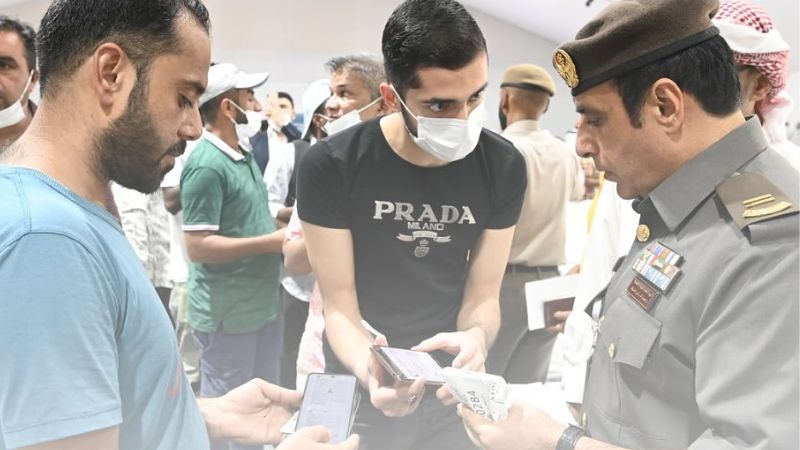
Amnesty seekers at Al Aweer centre in Dubai. GDRFA
Updated on October 31, 2024 The UAE has launched a significant humanitarian initiative aimed at offering thousands of visa violators a fresh start, allowing them to regularize their status or leave the country without incurring penalties. The visa amnesty, which began on September 1, provides a crucial opportunity for individuals with expired visas to resolve their legal status.Who can apply for amnesty?
The amnesty program, running until December 31, applies to residents who have overstayed their residency visas, visitors who remained in the UAE after their visit visas or tourist visas expired, individuals who absconded from their sponsor, and children born in the UAE whose parents failed to apply for residency on their behalf. However, visa violators outside the UAE, individuals who entered the country illegally or have criminal cases, and those who violated visa rules after September 1 are not eligible for this amnesty. Major General Suhail Saeed Al Khaili, head of the Federal Authority for Identity, Citizenship, Customs, and Port Security (ICP), emphasized the program's importance in enhancing the UAE’s human rights standing. "This initiative is a chance for all violators to change their status in the country," he said. "We want to support those staying in the country by helping them secure their rights and either exit the country safely or live and work legally in the UAE."What about undocumented expat children in UAE?
Parents of children born in the UAE without proper residency can also benefit from the amnesty by applying for an exit pass for their children. If the parents choose to remain in the UAE and regularize their status, they can also amend their children's status without incurring fines.What is the benefit of amnesty?
One of the key benefits of the amnesty is the waiver of all fines previously incurred for overstaying in the country. Applicants are not required to pay any fees for changing their visa status or obtaining an exit permit, which is valid for 14 days. After this period, any outstanding fines will be reinstated if the individual has not left the UAE. Amnesty grantees will also not get banned, which means they can re-enter the UAE with a valid visa any time.Where to apply for amnesty?
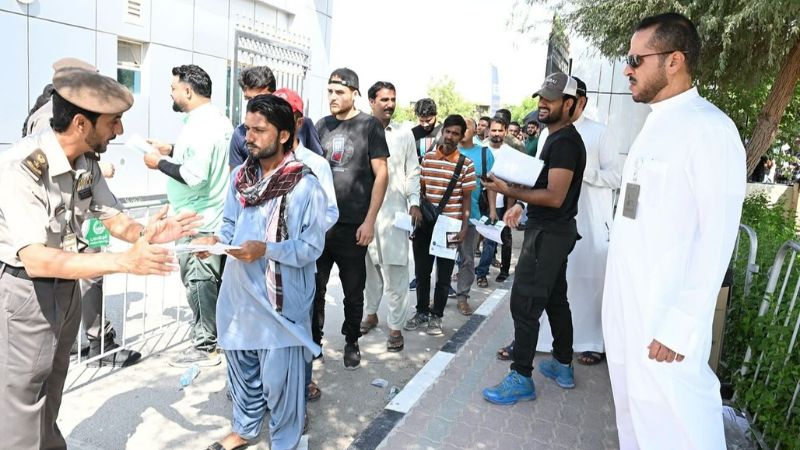
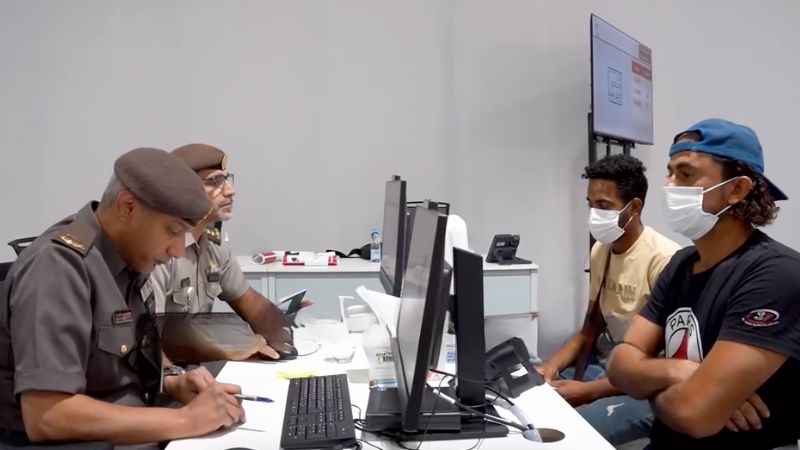
The General Directorate of Residency and Foreigners Affairs (GDFRA) reminds amnesty applicants to apply for amnesty in the emirate where their residency was issued. “Holders of residencies issued in other emirates who wish to leave the country must visit the emirate from which the residency was issued,” according to GDFRA. Amnesty applications can be processed at various ICP centers and recognized typing centers across the Emirates. In Abu Dhabi, these include centers in Al Dhafra, Sweihan, Al Maqam, and Al Shahamah, while Dubai residents can head to Amer service centers or the Al Aweer Centre for immigration violators. These centers will operate daily from 8am to 8pm throughout the amnesty period. However, if you arrived in the country on a visit visa or tourist visa, you must either go to the ICP centres in Al Dhafra, Suwaihan, Al Maqam and Al Shahama in Abu Dhabi or the Al Awir centre in Dubai, so you can have your fingerprint scanned.Leaving the UAE after amnesty
Overstayers who are granted amnesty and want to leave the UAE will be issued an exit permit. The exit permit is valid for 14 days. Overstayers are allowed to leave without penalties if they depart the UAE before the grace period ends on December 31. However, if they fail to leave before the permit expires, they will be required to pay any accumulated fines.What is the procedure for getting an exit permit?
If you are applying for an exit permit after previously holding a residency visa you can go to any of the ICP centers and recognized typing centers across the emirates. In Abu Dhabi, these include centers in Al Dhafra, Sweihan, Al Maqam, and Al Shahamah, while Dubai residents can head to Amer service centers or the Al Aweer Centre for immigration violators. These centers will operate daily from 8am to 8pm throughout the amnesty period. However, if you arrived in the country on a visit visa or tourist visa, you must either go to the ICP centres in Al Dhafra, Suwaihan, Al Maqam and Al Shahama in Abu Dhabi or the Al Awir centre in Dubai, so you can have your fingerprint scanned.What is the rule for fingerprinting?
All visa holders aged 15 and older must undergo fingerprinting before departure, except those holding or who have previously held an Emirates ID, children under 15, and cases where fingerprinting is not possible due to physical limitations. Overstayers who already have fingerprint records can request an exit permit, which will be issued immediately. If no fingerprints are on file, they must visit designated fingerprint centres to complete the process.What about airline tickets for amnesty grantees?
The ICP has collaborated with airlines to offer discounted tickets for those who choose to exit the country under the amnesty program. This initiative is designed to ease the financial burden on those who have been living in the UAE without valid documentation.What if you want to stay in UAE after getting amnesty?
The UAE has introduced a new regulation requiring those who have overstayed their visas and wish to regularize their residency status to present a valid work permit from the Ministry of Human Resources and Emiratisation (MoHRE). Lieutenant General Mohammed Ahmed Al Marri, Director General of GDRFA, emphasized that the work permit is now a critical component of the regularization process for overstaying expats as part of the amnesty program. “Overstaying expats who wish to continue residing in the UAE must present a valid MoHRE work permit as part of their application to legalize their residency status. A company’s offer letter is not an authentic document,” Al Marri said. Those who wish to stay in Dubai after regularising their residency status can follow up with the emirate. “If they wish to remain in the country and obtain a job opportunity in the Emirate of Dubai, they can follow up on amending their status with Dubai Residency, regardless of their file with the other emirates,” the authority added in their statement. As the amnesty period progresses, the ICP has called on all eligible individuals to take advantage of this opportunity to resolve their legal status. The program aims to assist thousands of residents, many of whom may have been hesitant to come forward due to concerns about fines or legal repercussions. The last visa amnesty in 2018 saw more than 105,000 people benefit, with over 30,000 exit permits issued and thousands more securing new residency visas. The current initiative is expected to have a similarly significant impact, providing a lifeline to those who have overstayed their visas. The UAE government continues to adapt its visa policies to meet the needs of its diverse population, offering various options for residents and visitors to maintain legal status. The introduction of golden and green visas in recent years has further expanded the possibilities for those looking to live and work in the UAE. With the amnesty program in full swing, ambassadors from countries with large expatriate populations in the UAE have reported a surge in inquiries. Many consulates have extended their hours or dispatched officials to assist residents in navigating the amnesty process. ICA/Expat MediaFor all the latest news from the UAE and the world, follow us on Facebook, Twitter and Instagram and subscribe to our YouTube page















Comments
Leave a Comment